
10 hr 30 min
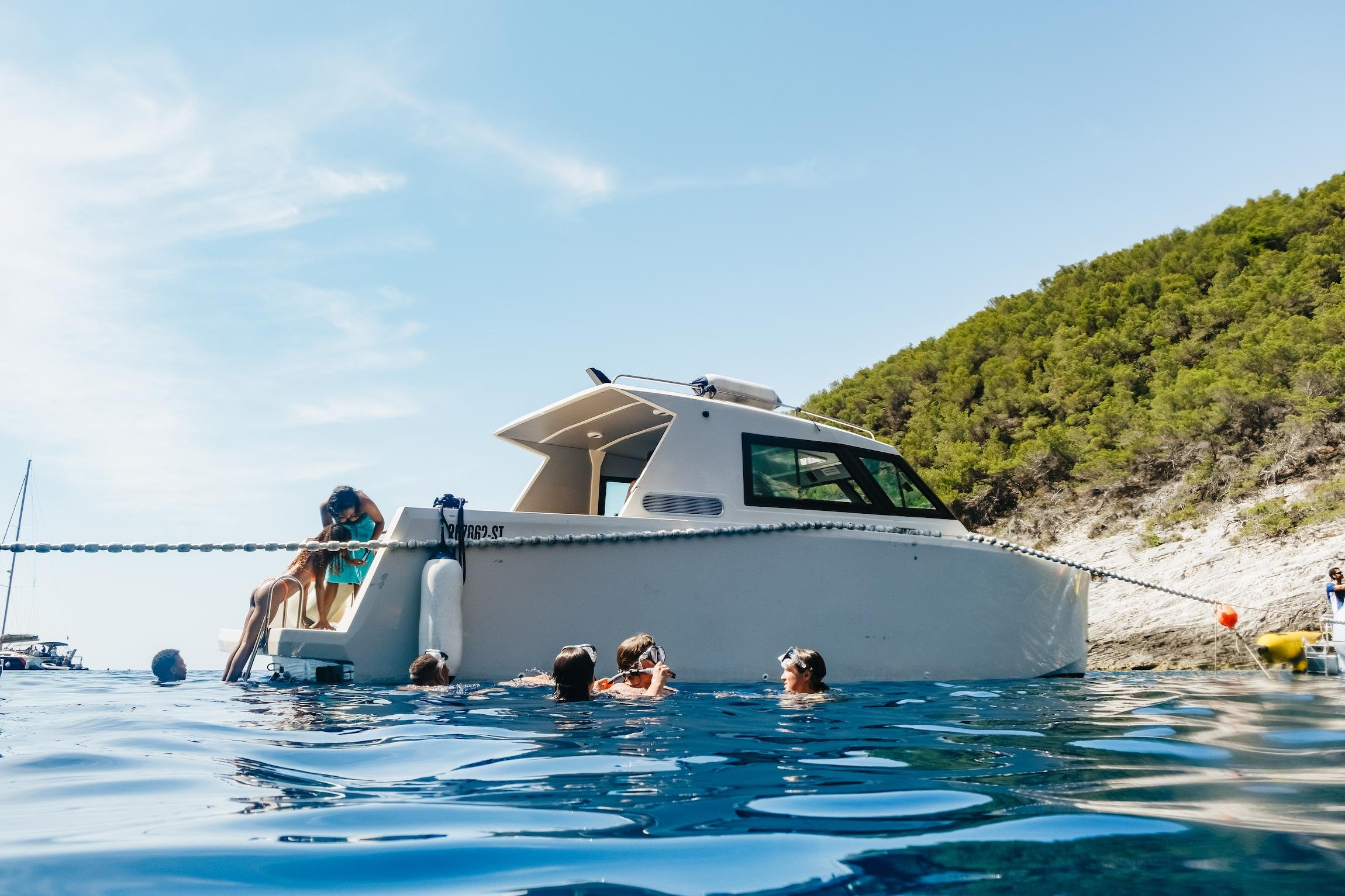
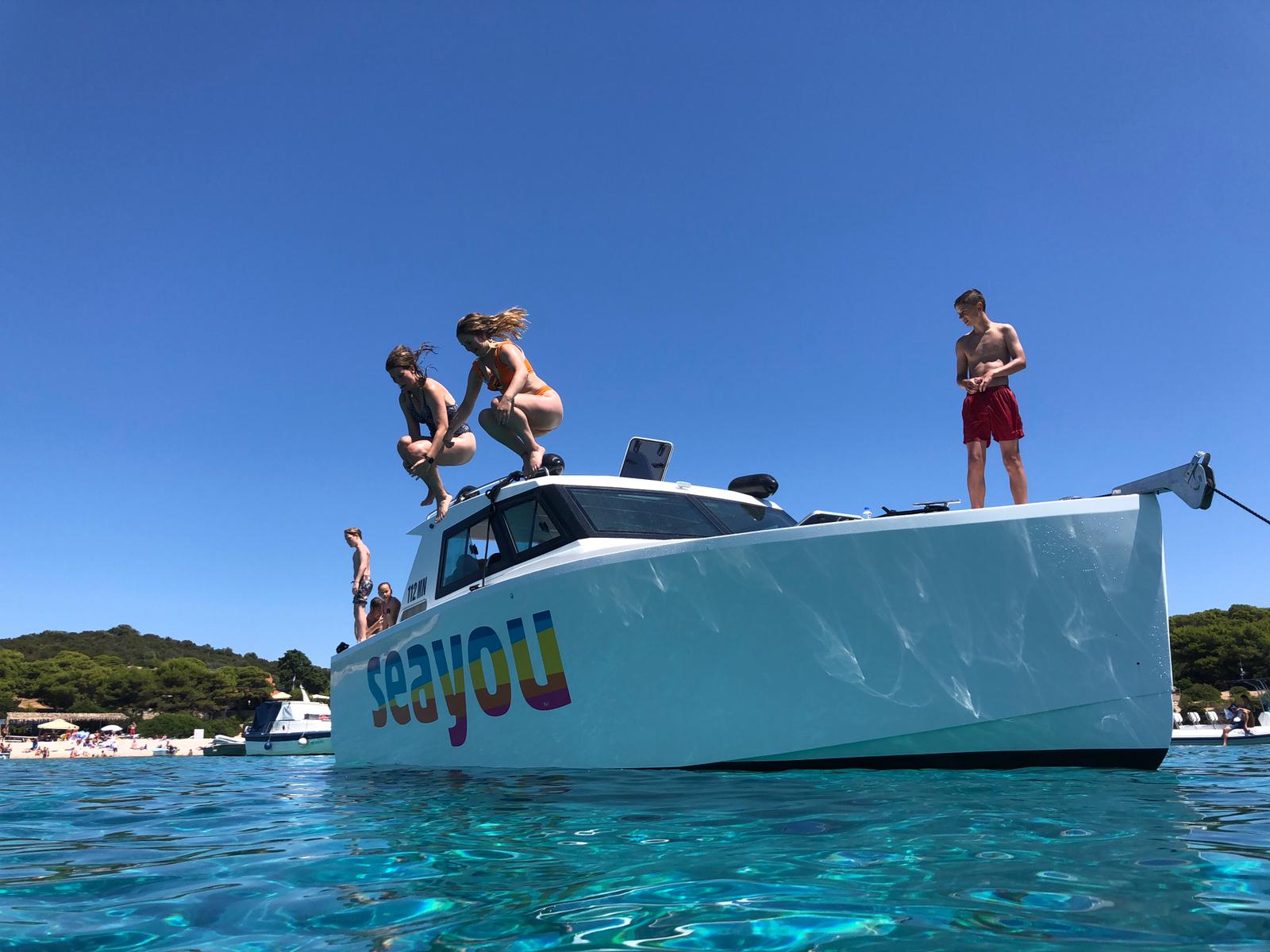
Blue Cave & 5-Island Speedboat Adventure from Split
- Expert local guide
- Small group
- Skip-the-line access
- Free cancellation

Hvar Boat Tour to Blue Cave — Speedboat Adventures & Island Hopping
Adriatic light meets limestone hollows, where morning sun turns seawater electric
Compare fares, pick the fit — all bookings are mobile-voucher and eligible for free cancellation where shown.
10 hr 30 min
10 hr 30 min
10 hr
| Experience | Duration | Rating | Skip-the-line | Guide | Small group | Free cancel. | Price | |
|---|---|---|---|---|---|---|---|---|
|
Guided Experience
Most popular
Blue Cave & 5-Island Speedboat Adventure from Split
|
10 hr 30 min | ★ 5.0 | ✓ | ✓ | ✓ | ✓ | €79 | Book → |
|
Guided Experience
Blue Cave & Five Islands Speedboat Adventure from Split
|
10 hr 30 min | ★ 4.9 | ✓ | ✓ | ✓ | ✓ | €79 | Book → |
|
Guided Experience
Blue Cave & 5 Islands Speedboat Adventure
|
10 hr | ★ 4.6 | ✓ | ✓ | ✓ | ✓ | €100 | Book → |
Worth it for natural phenomenon seekers
A Hvar boat tour to Blue Cave commands attention for its rare bioluminescent effect — sunlight refracts through an underwater opening, casting an electric-blue glow across the interior. The 24 EUR conservation fee covers mandatory small-boat transfer and cave access, though tours from Hvar typically bundle this with five-island itineraries priced between 65–95 EUR depending on speedboat provider and route. You'll spend roughly 10–15 minutes inside the grotto; the visual payoff hinges entirely on morning light conditions between 09:00–13:00. Multi-island speedboat adventures stretch the value by folding in stops at Stiniva Cove, Vis town, and Green Cave, turning a single cave visit into a full-day Adriatic sampler. Solo travelers seeking only the Blue Cave phenomenon may find the bundled tours excessive, while groups prioritizing efficiency over à la carte exploration will appreciate the consolidated logistics. The cave itself delivers on its promise when weather cooperates, but hvar boat tour to blue cave tours lean heavily on supplementary island stops to justify their price point.
Bottom line: The cave justifies the conservation fee when light cooperates; tour value depends on whether you want the bundled island circuit or just the grotto itself.
They complement each other; most visitors who do both call the hvar boat tour to blue cave the more thrilling day trip, while the local Pakleni archipelago offers a more relaxed, short-distance nautical escape.
|
Top pick Blue Cave Tour |
Pakleni Islands Sailing | |
|---|---|---|
| Primary Focus | Iconic blue light phenomenon | Chic bays and swimming |
| Travel Time | Approx. 1 hour each way | 15–30 minutes |
| Typical Duration | Full day (7–8 hours) | Half to full day |
| Sea Conditions | Often rough on open water | Calm and sheltered |
| Activity Type | Sightseeing and cave transit | Sailing and beach clubbing |
| Cost Level | Higher (long distance fuel) | Moderate (shorter distance) |
| See tickets & prices |
Verdict: Choose the hvar boat tour to blue cave for a bucket-list spectacle, or select a sailing trip to the Pakleni Islands if you prefer a slower pace with more time for swimming and lunch.
Hand-picked experiences loved by thousands of travelers
7 hours 30 minutes
Free Cancellation
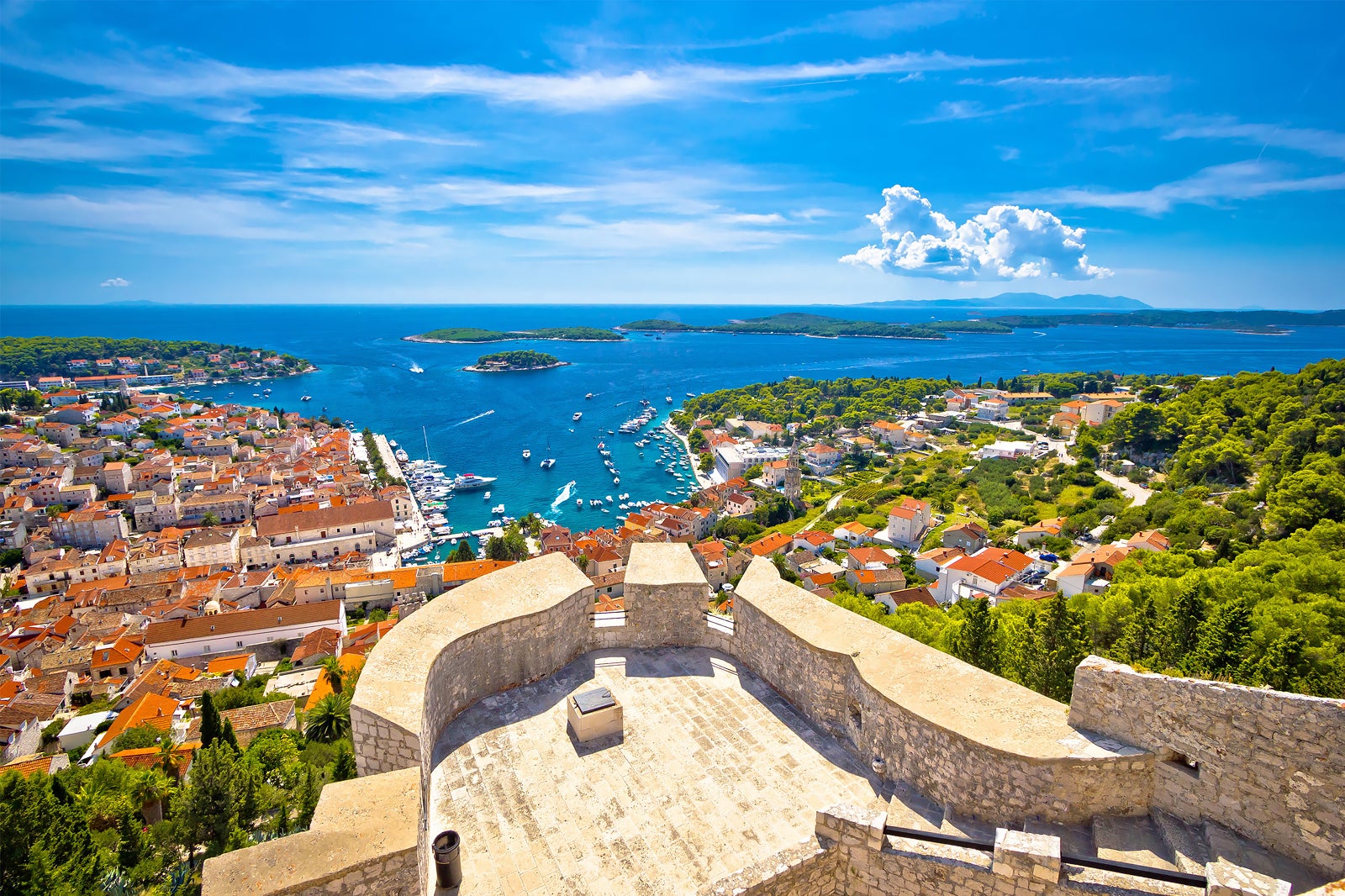
Seven-hour speedboat journey exploring stunning caves, hidden coves, and pristine beaches across five Adriatic islands
7 hours 30 minutes
Free Cancellation
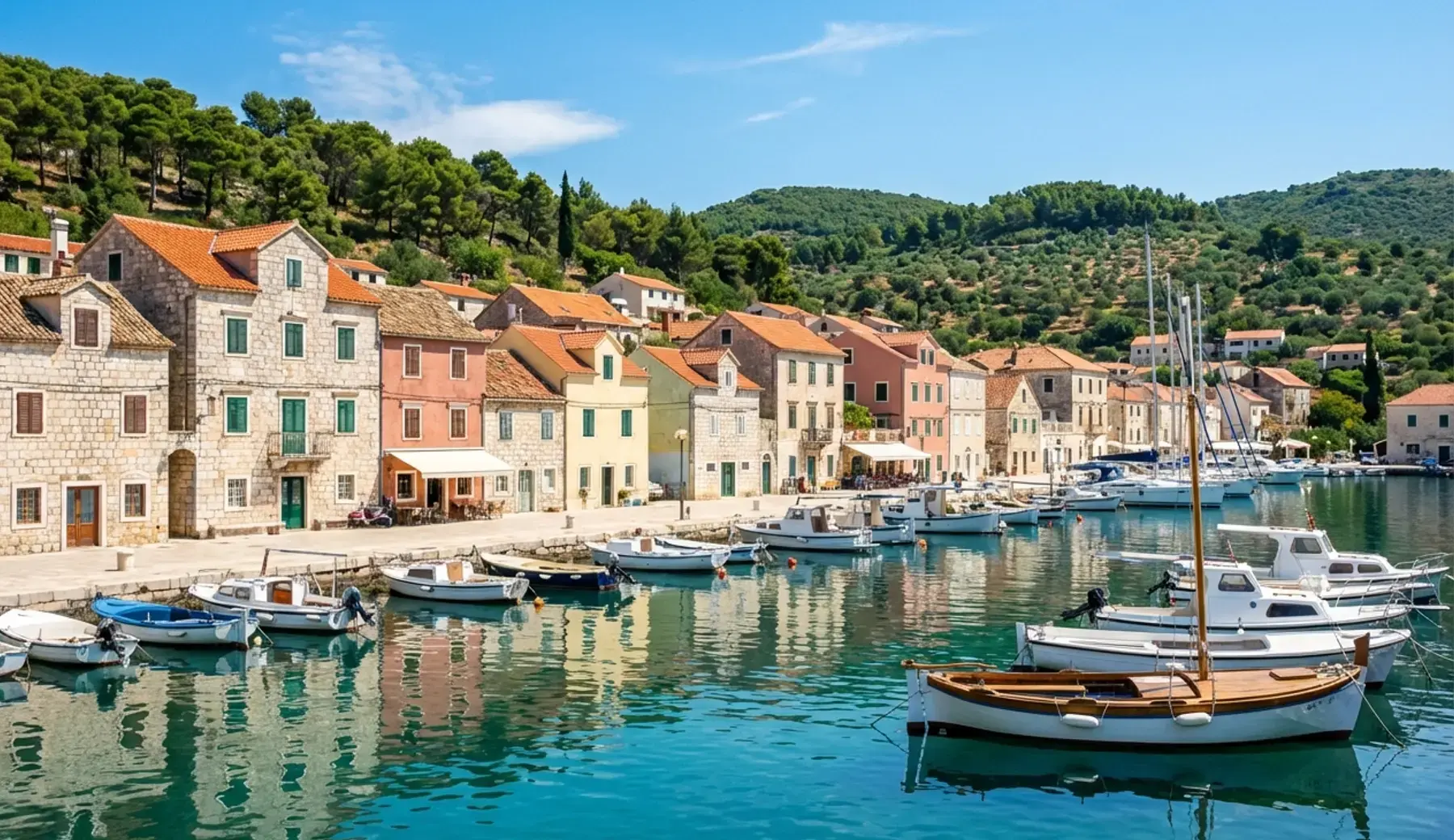
Discover secluded caves, pristine beaches, and luminous waters on this full-day island-hopping expedition
7.5 hours
Free Cancellation
Discover Croatia's most stunning coastal gems on this full-day island-hopping journey with cave visits
10 hours
Free Cancellation
Island-hop across central Dalmatia by speedboat, exploring caves, coves, and historic coastal towns
8 hours
Free Cancellation
Full-day coastal exploration by speedboat visiting iconic caves, secluded bays, and sun-soaked beaches
10 hours
Free Cancellation
Explore Croatia's coastal gems on a full-day speedboat journey to Vis, Hvar, and Brač islands
7 hours 30 minutes
Free Cancellation
Seven-hour speedboat journey to Croatia's most spectacular sea caves, hidden coves, and turquoise lagoons
10 hours
Free Cancellation
Cruise to Croatia's legendary Blue Cave, swim in turquoise lagoons, and explore historic Hvar on this full-day island adventure.
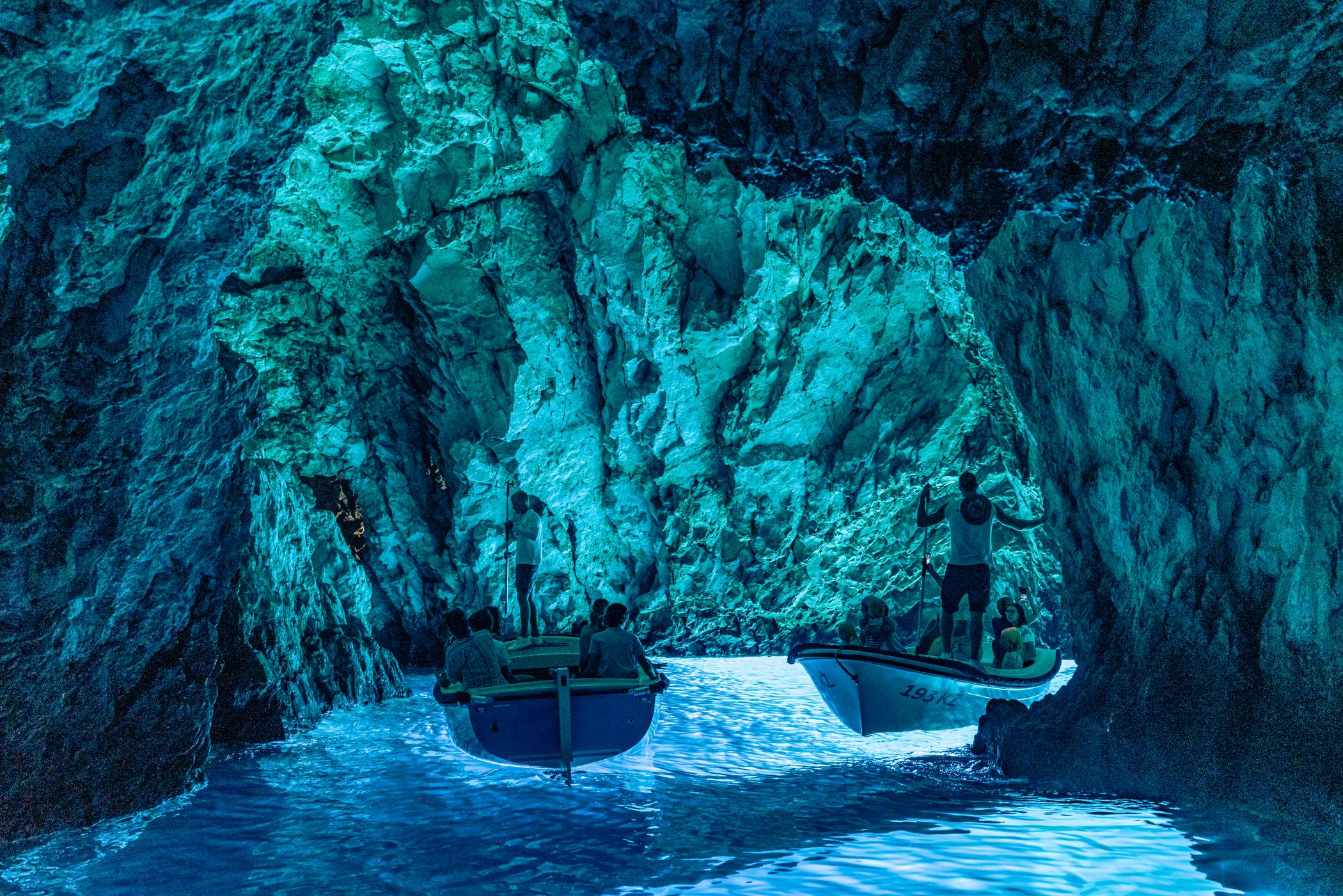
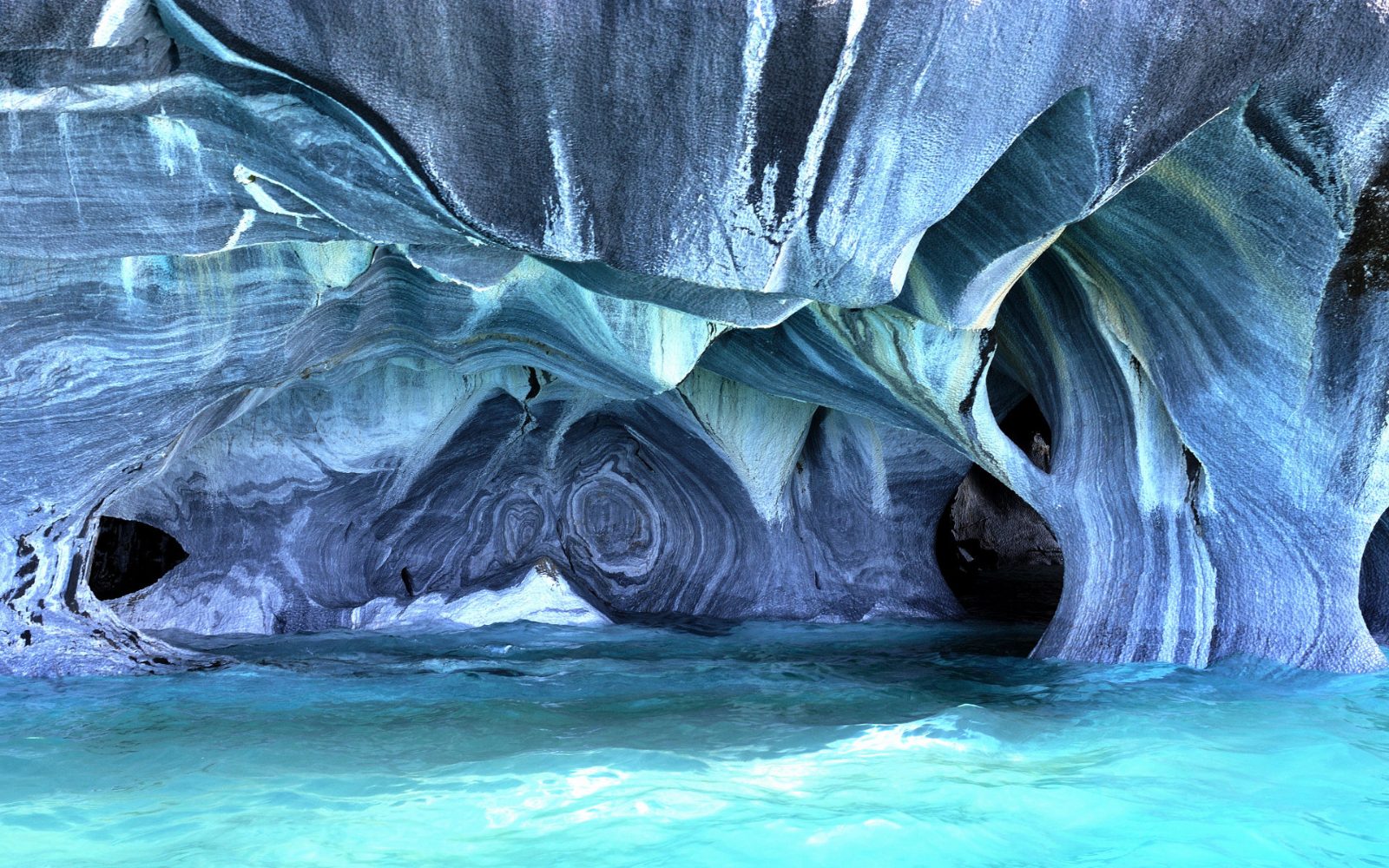
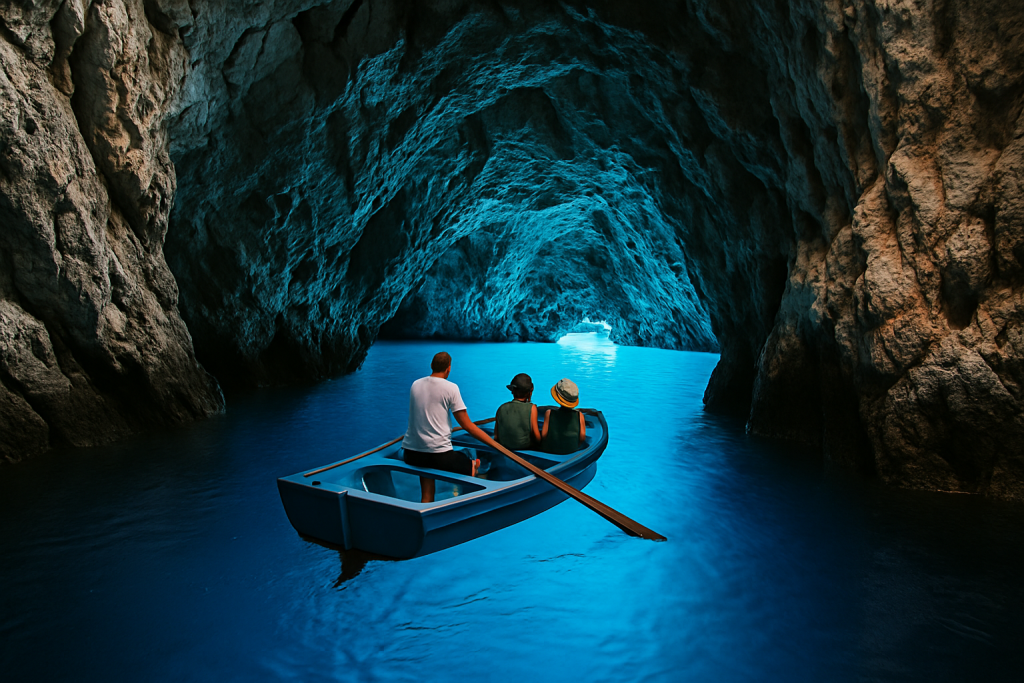
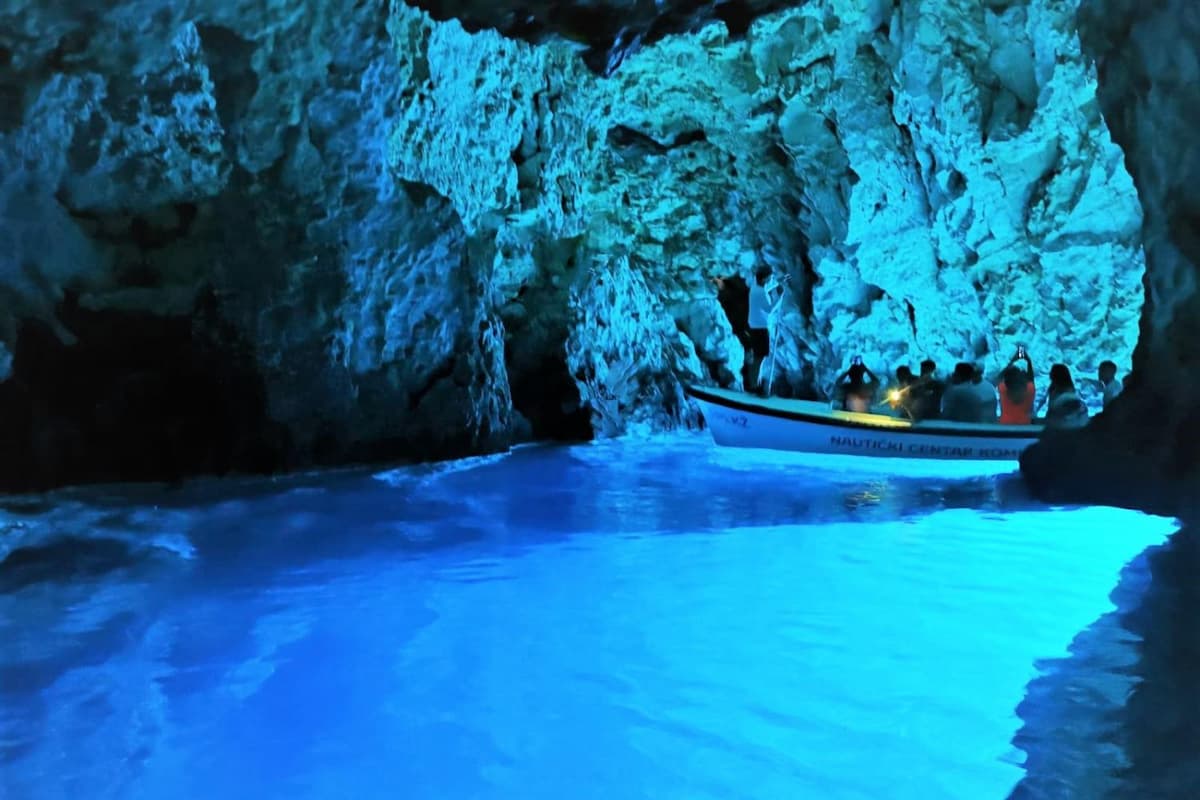
The inner cavern is famous for the blue glow caused by sunlight reflecting through an underwater opening. It is a natural geological wonder at Mežuporat.
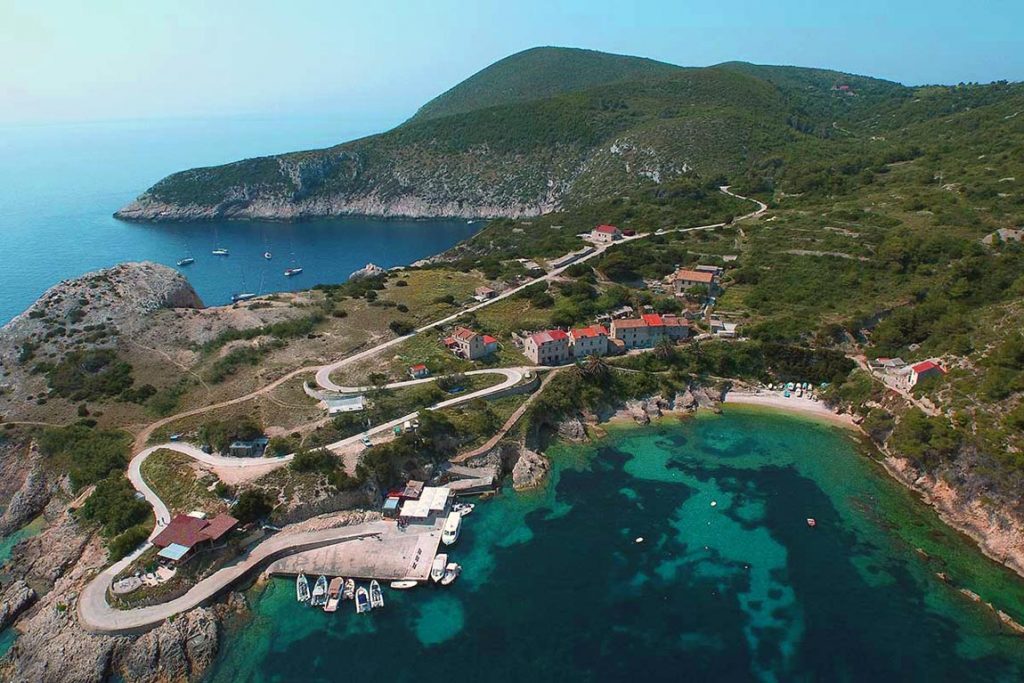
This serves as the main entry point for all visitors accessing the cave. It acts as the staging area for small boat transfers.
The island is composed primarily of limestone, which contributes to the cave's unique acoustic and visual properties.
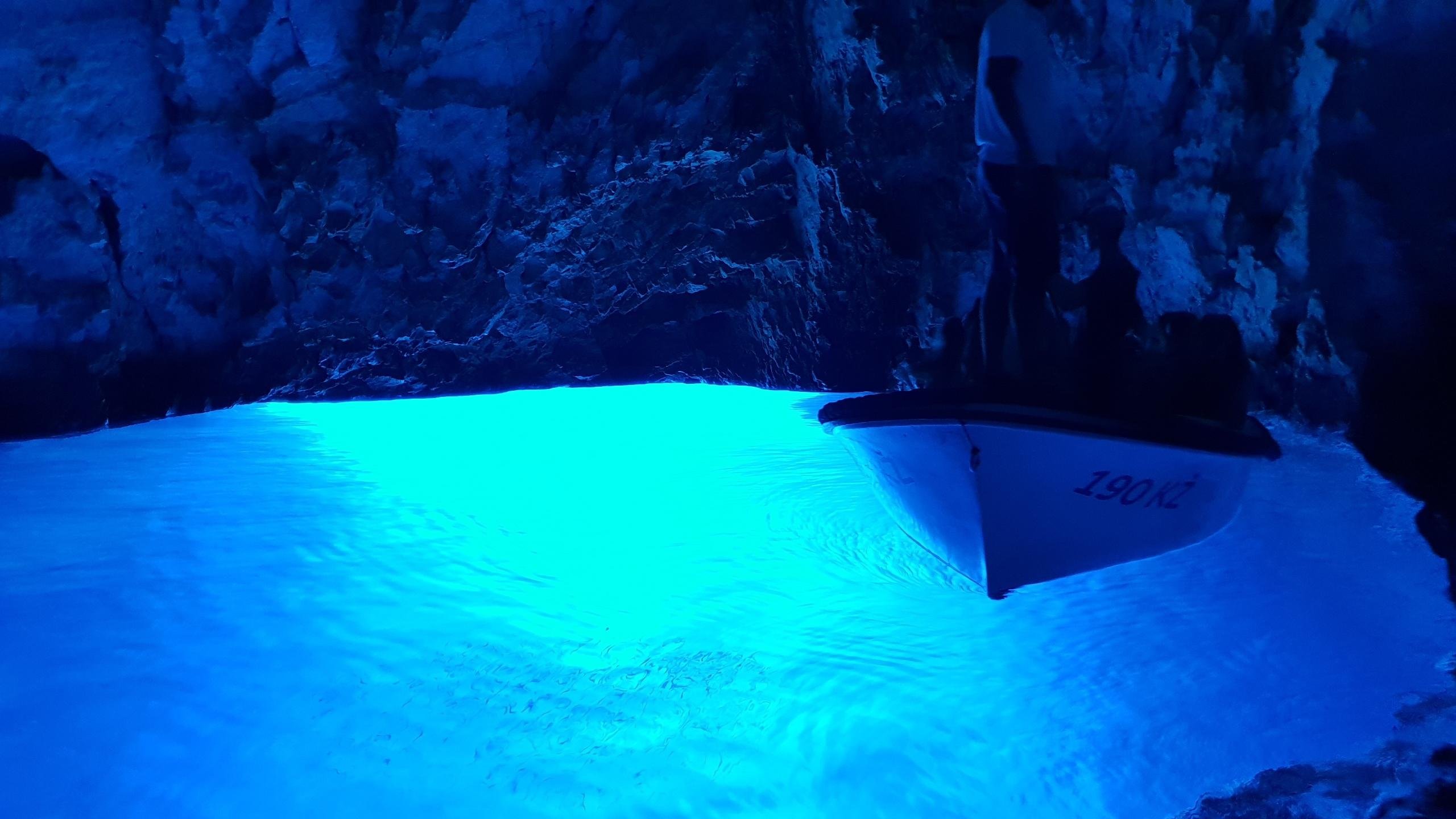
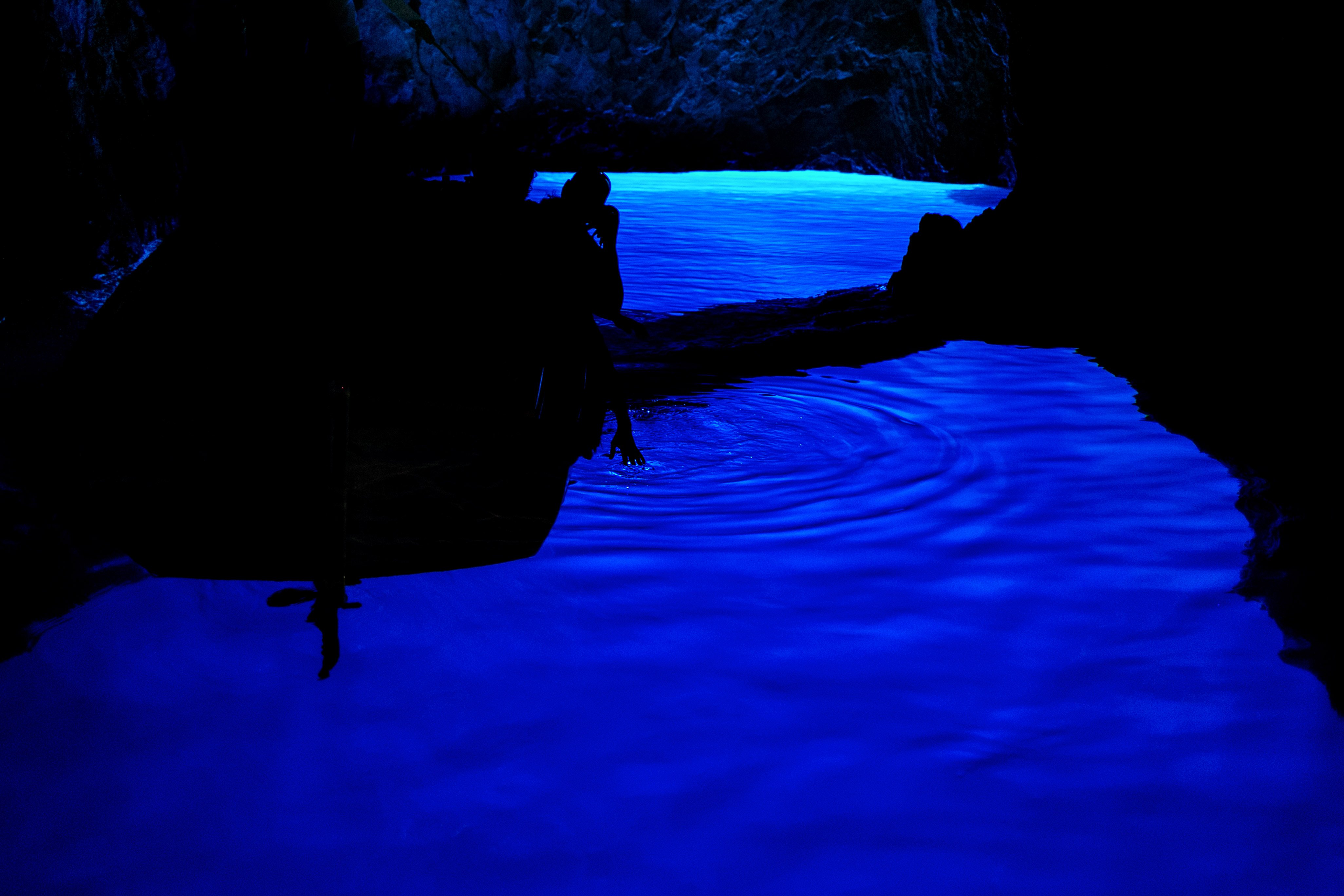
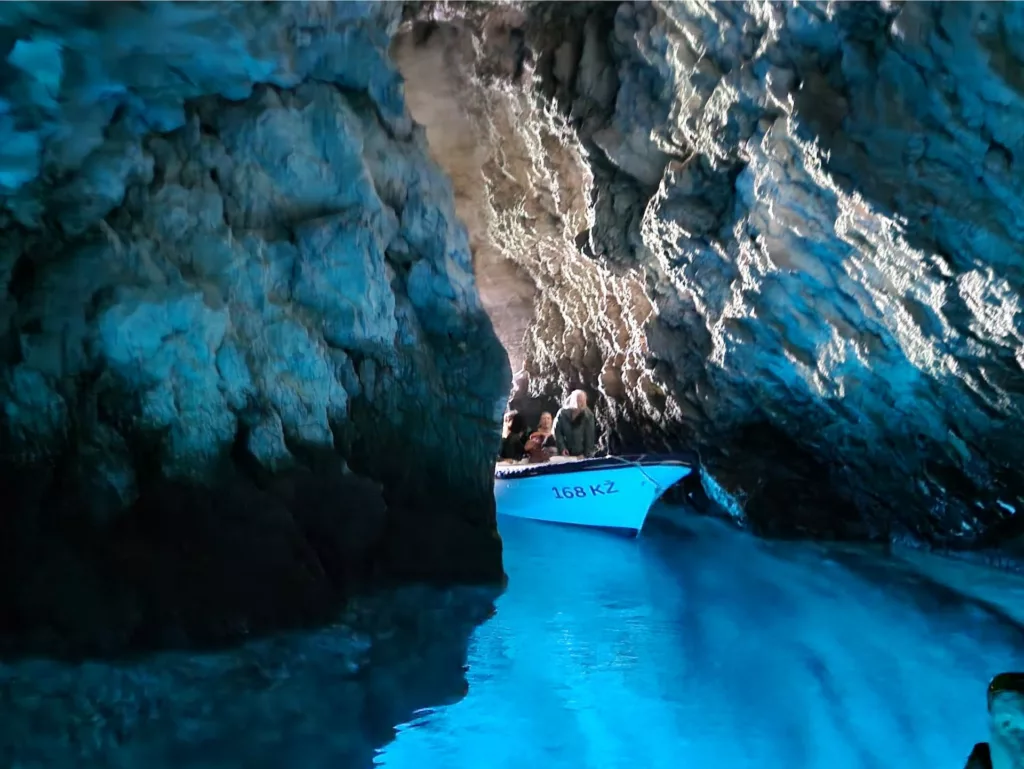
This optical effect occurs when light enters through the underwater fissure at 09:00–13:00. It turns the water into a deep electric blue color.
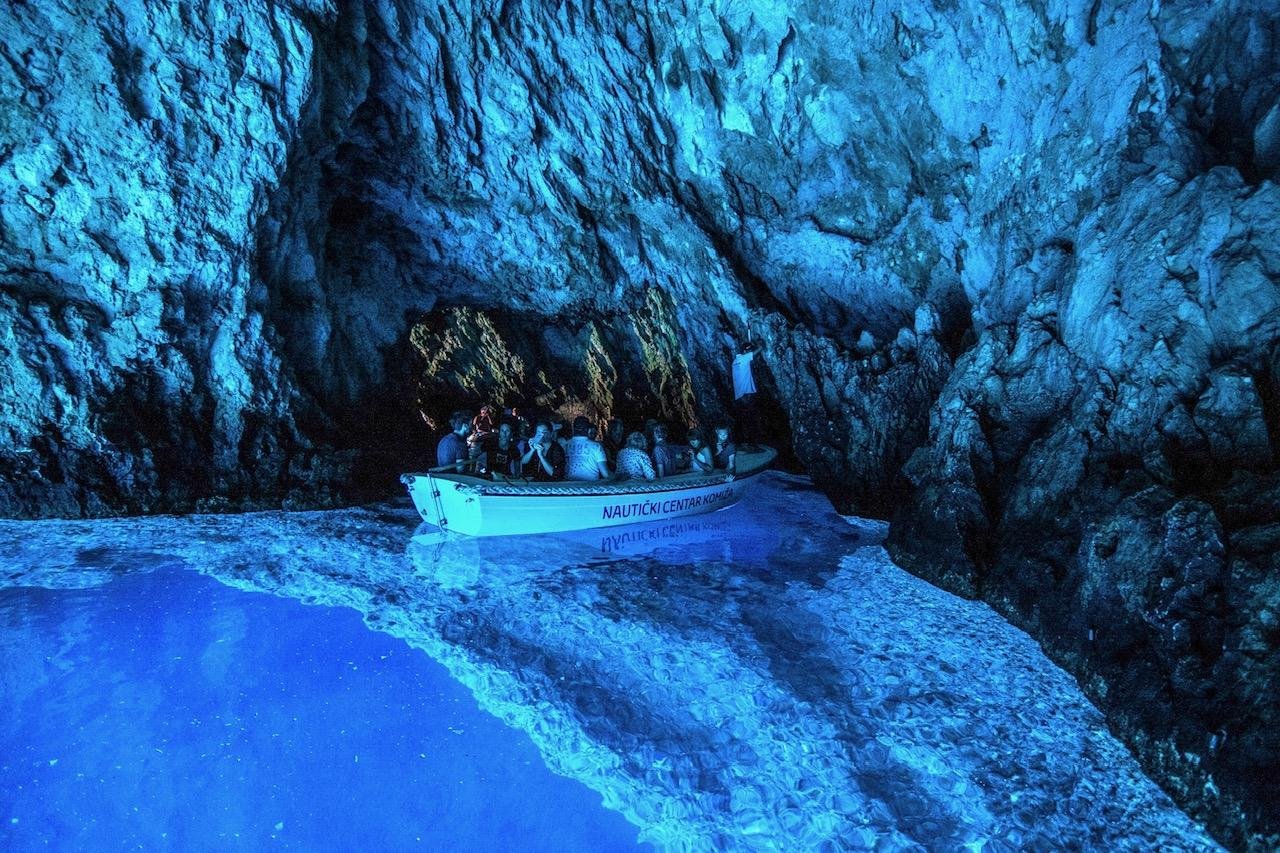
Visitors must swap to a smaller craft to navigate the low entrance of the cave safely. This is included in the 24 EUR fee.
All the details about your upcoming adventure in one place
The Blue Cave on Biševo Island was unknown to the wider world until 1884, when Eugenio von Ransonnet-Villez published sketches of its submerged entrance and otherworldly illumination.
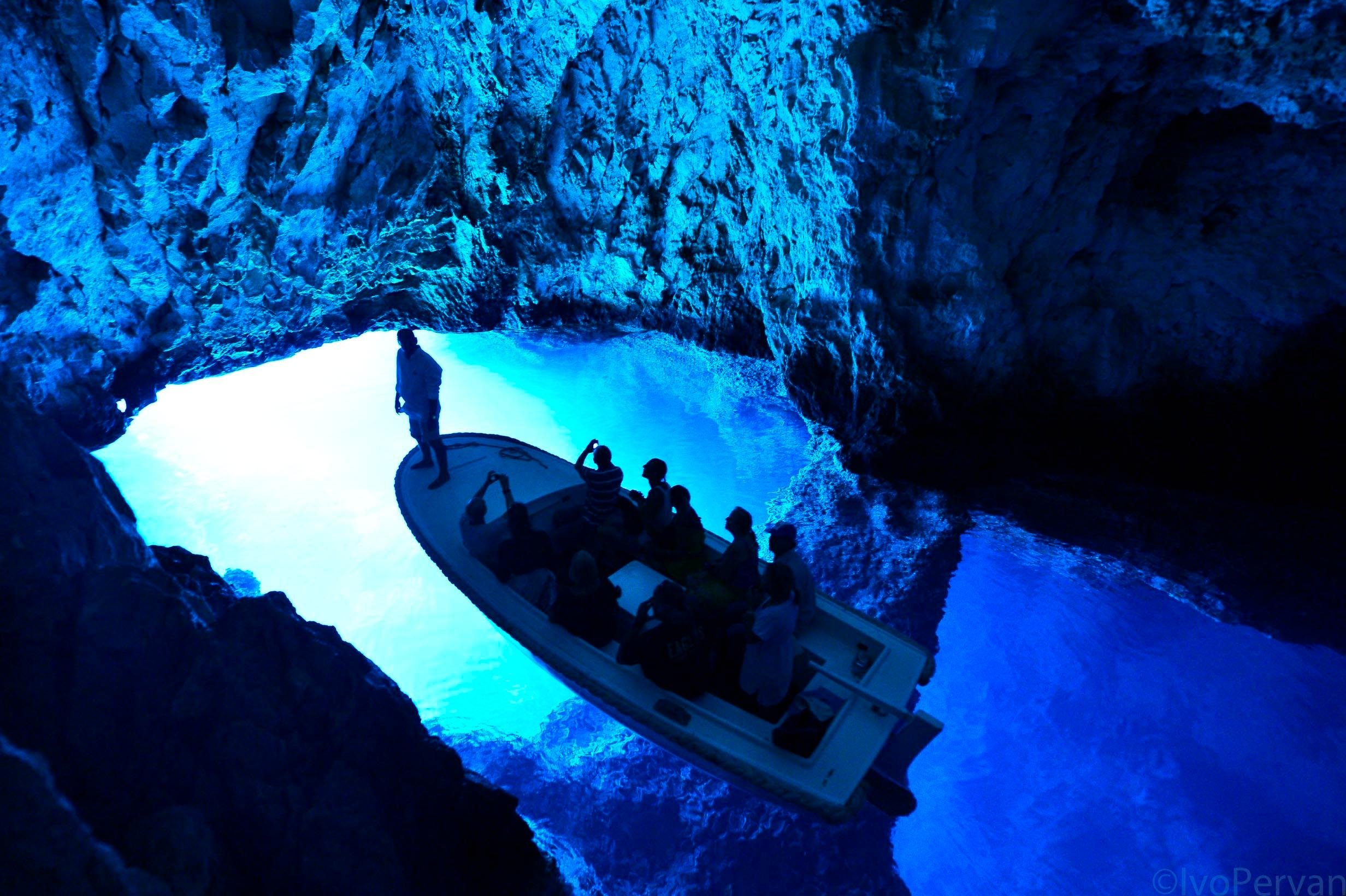
The limestone grotto opens at sea level through a narrow aperture; sunlight refracts through a submerged opening in the cave floor, painting the water an unearthly cobalt and bathing limestone walls in silver-blue radiance. The phenomenon peaks between late morning and early afternoon when the sun reaches optimal angles. Conservation efforts introduced a 24 EUR per-person fee in 2018 to limit daily visitor numbers and fund structural monitoring of the cave ceiling.
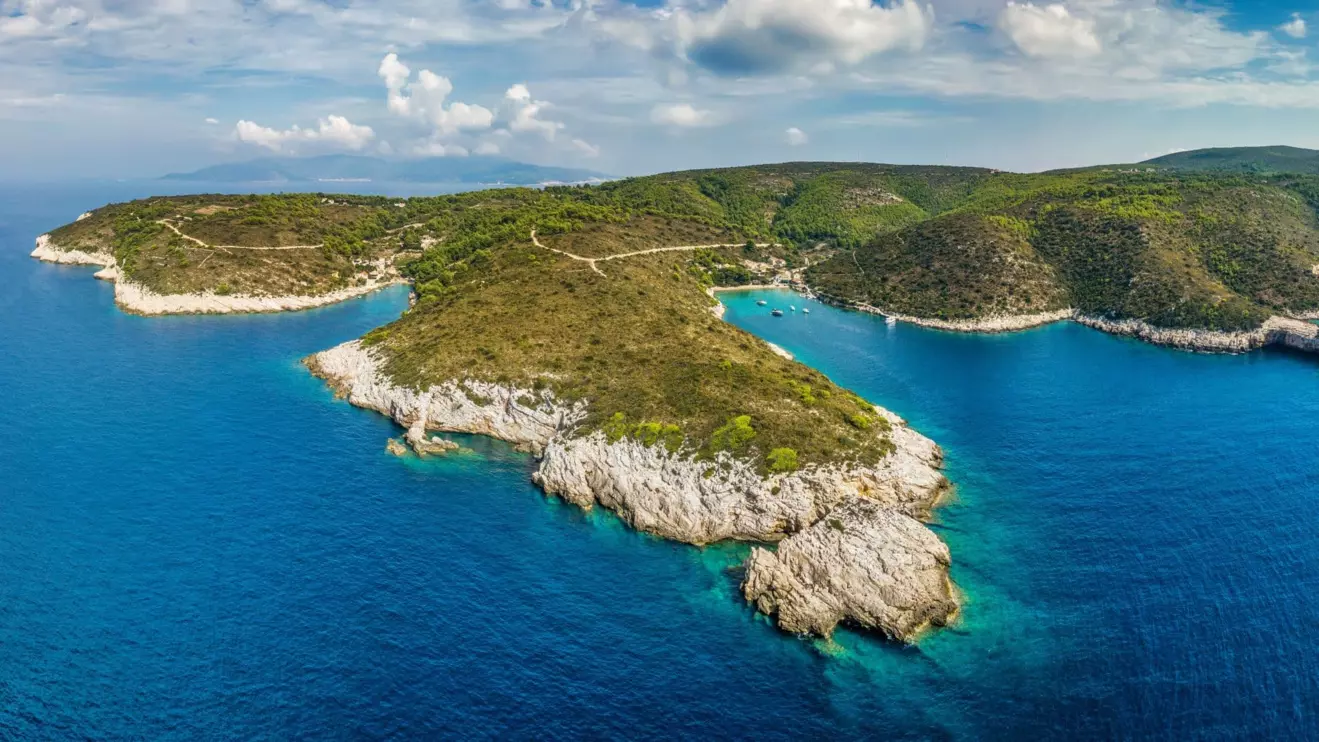
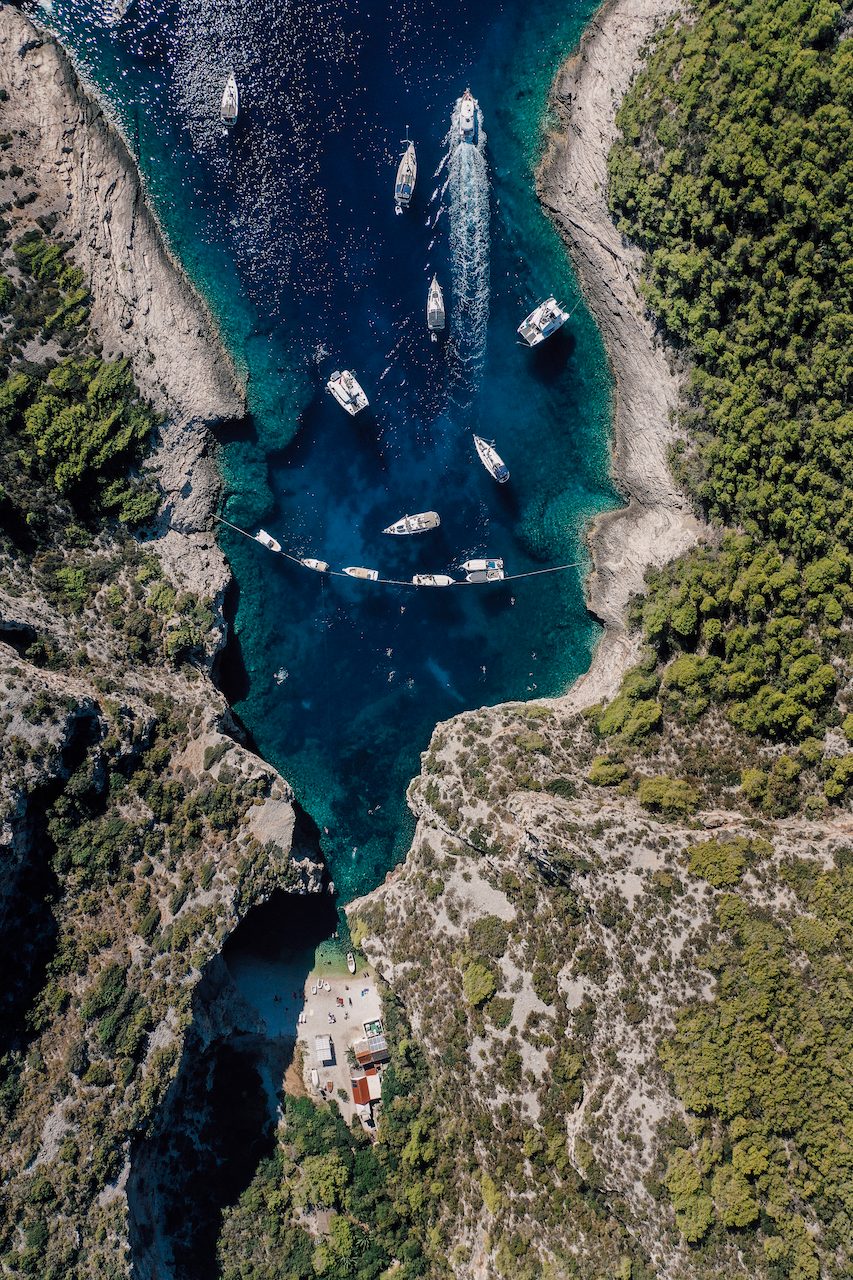
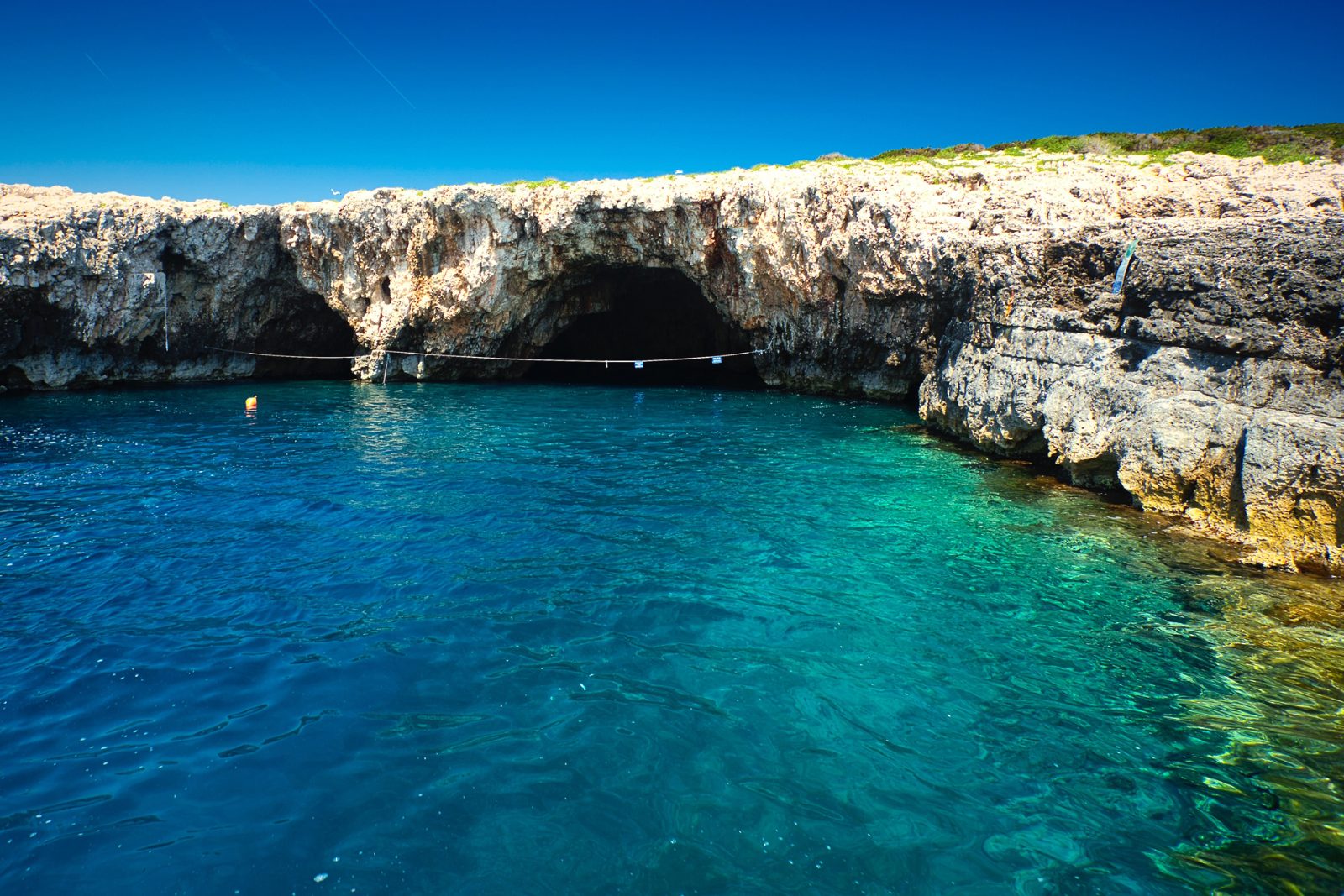
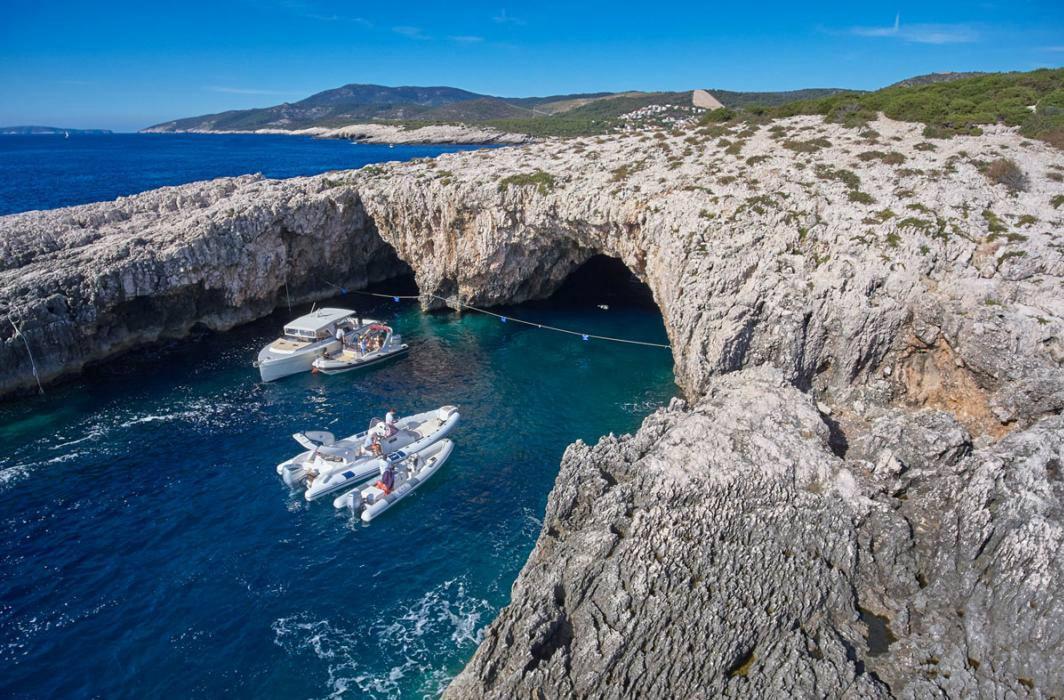
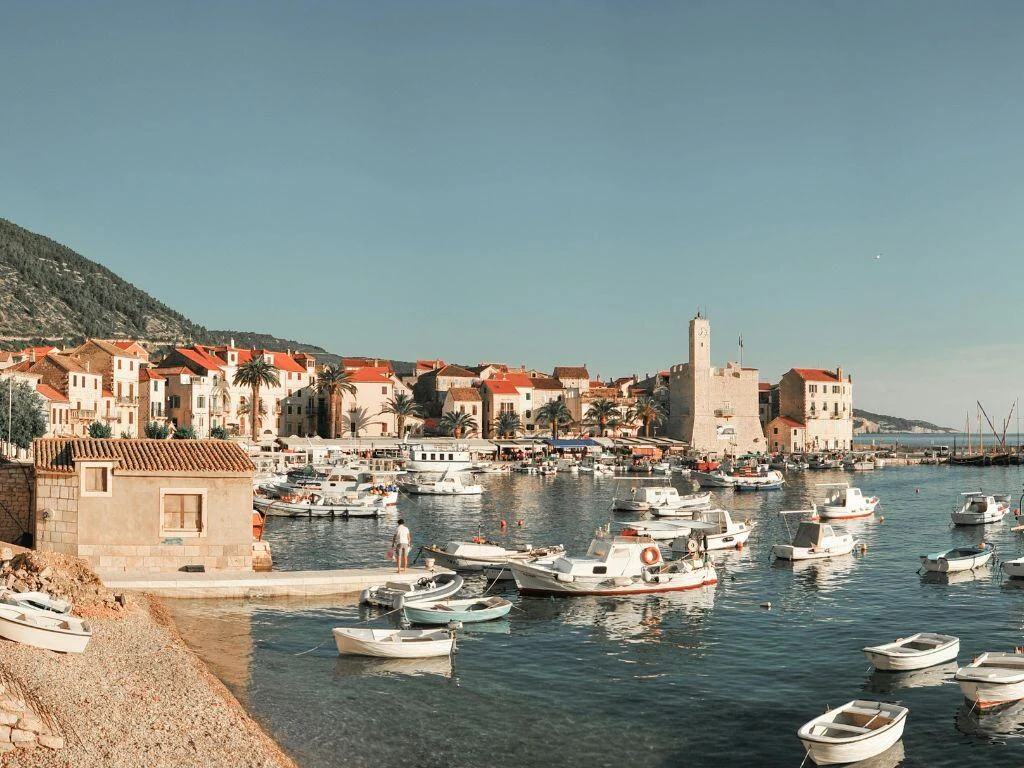
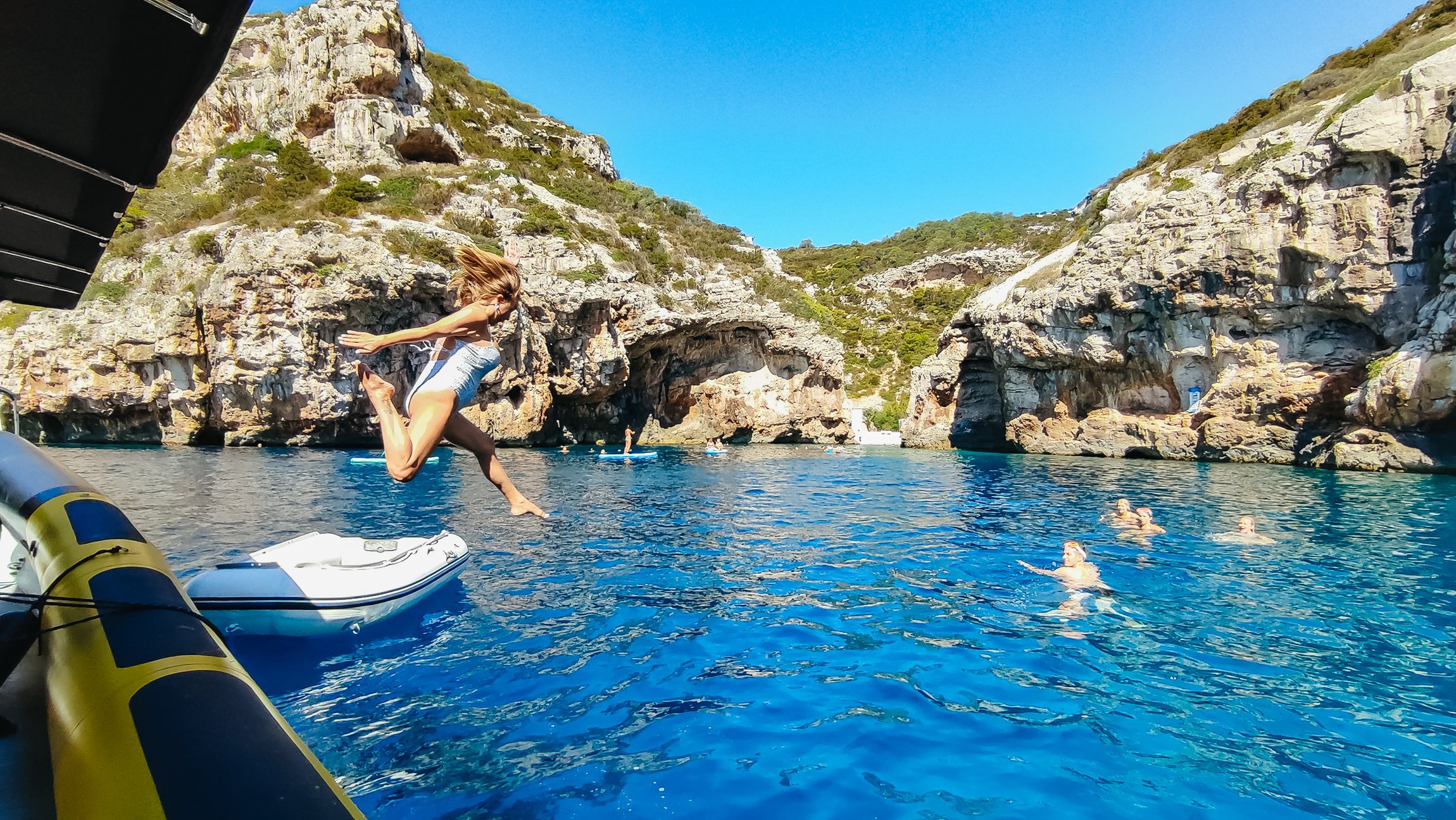
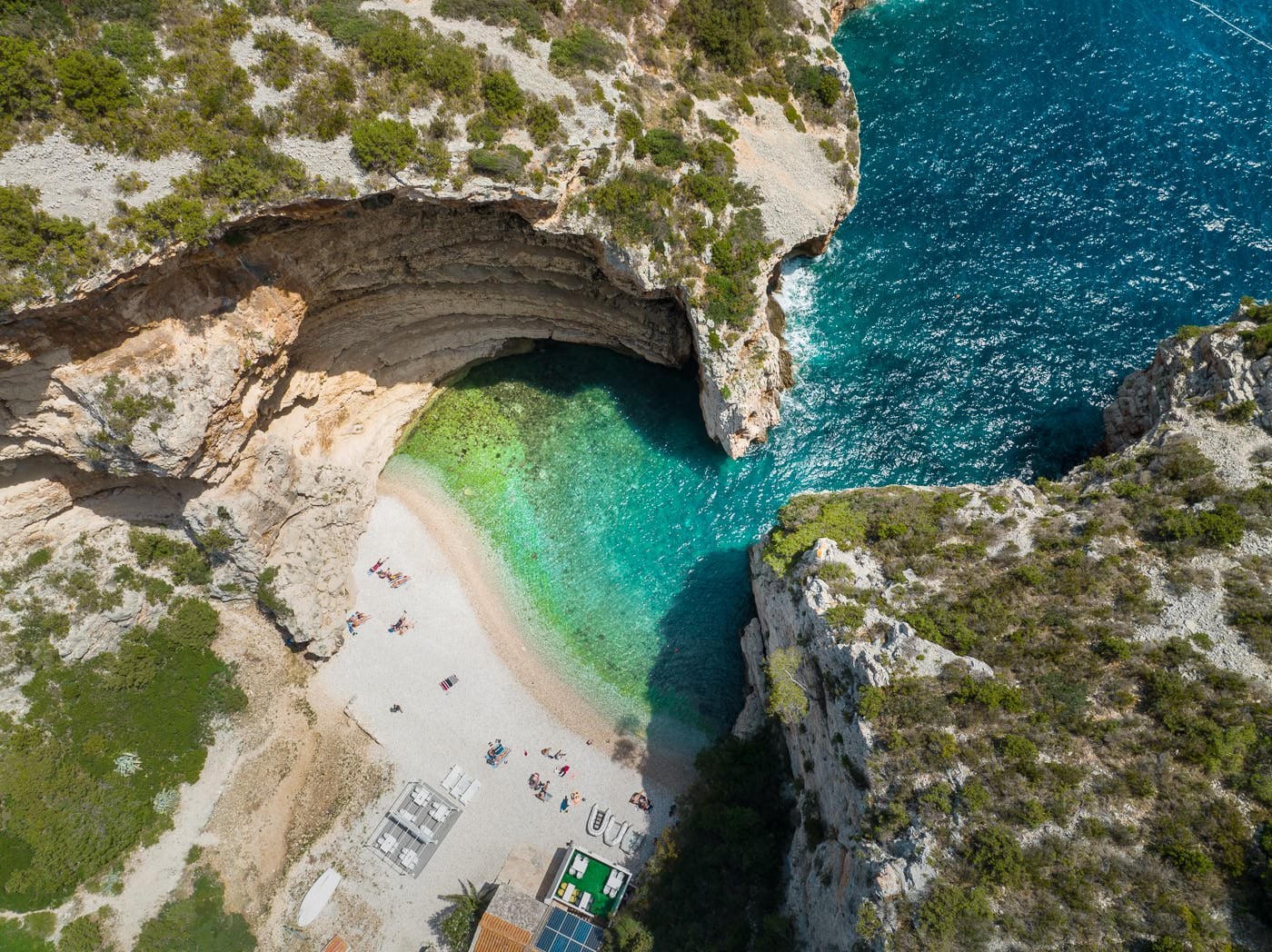
Hvar serves as the primary departure point for Hvar boat tour to blue cave expeditions. Speedboat operators depart daily between 08:00 and 18:00, threading the Vis archipelago across fifty kilometres of open Adriatic. Most itineraries layer the Blue Cave with neighboring attractions: the Green Cave on Ravnik Island, where swimmers enter through a collapsed roof vault; Stiniva Cove, a keyhole beach carved between vertical cliffs; and the hamlet of Komiža on Vis, where stone houses step down to a working fishing harbour. The route passes uninhabited islets, wartime submarine tunnels, and the remains of Greek settlements predating Roman occupation.
Access to the Blue Cave requires a transfer to small wooden boats, operated by licensed Biševo pilots who ferry visitors through the four-metre entrance. The cave interior measures twenty-four metres in length; visits last approximately five minutes due to capacity constraints. Morning departures from Hvar secure arrival at Mežuporat, the cave's harbour staging point, within the 09:00–13:00 window when interior light reaches full intensity. The conservation fee covers both the cave entry and the mandatory small-boat transfer. Multi-island speedboat tours from Hvar consolidate transport, conservation fees, and a sequence of coastal stops into single-day Hvar boat tour to blue cave itineraries that return to port by early evening.
Sunlight refracts through a submerged opening in the cave floor, painting the water an unearthly cobalt and bathing limestone walls in silver-blue radiance.
Refunds depend on the operator of your specific hvar boat tour to blue cave. Cancellations made 24 hours in advance typically qualify for a full refund of the base fare, excluding the 24 EUR conservation fee.
Weather · crowds · average price — dots go green to amber to red as each metric rises.
Pleasant temperatures perfect for exploring the coast comfortably.
Peak season with intense sun and higher visitor density.
Warmer sea temperatures and thinner crowds for a hvar boat tour to blue cave.
Ideal balance of weather and lower boat traffic levels.
Ensure your hvar boat tour to blue cave date has calm sea conditions as cave entry depends on tide levels.
Bring high-factor sunscreen as the sun reflects intensely off the water.
Keep local currency for the 24 EUR conservation fee if it is not pre-paid.
Aim for an early departure to hit the 09:00 window for optimal light.
Carry sufficient water for the duration of your sea journey.
The Blue Cave on Biševo Island remained largely unknown beyond local fishermen until 1884, when Baron Eugen von Ransonnet, an Austrian naturalist and painter, documented the cerulean light phenomenon and published illustrations across Vienna's scientific circles. His watercolors depicted the silvery-blue glow created when morning sunlight refracts through an underwater opening, illuminating the cave's limestone walls. The Austro-Hungarian navy soon charted the grotto's narrow entrance, and by the 1890s steamship companies operating from Split began offering excursions, though the cave remained inaccessible to all but the most athletic visitors willing to swim through the meter-wide opening. In 1951, Yugoslav authorities commissioned engineers to blast an artificial entrance on the eastern wall, allowing rowboats to enter directly. This transformation enabled organized tourism from Hvar and neighboring islands, though access remained weather-dependent and limited to summer months. The cave's fame grew after a 1964 National Geographic feature showcased the luminous interior, prompting a surge in hvar boat tour to blue cave departures from Hvar Town's harbor. By the 1980s, fiberglass dinghies replaced wooden rowboats, and captains began timing arrivals between 09:00 and 13:00 to maximize the light effect. Croatia's independence in 1991 brought infrastructure improvements: concrete docks at Mežuporat bay, standardized conservation fees introduced in 2003, and GPS-guided speedboat routes reducing travel time from Hvar to under ninety minutes. The 2015 establishment of a visitor cap—limiting simultaneous cave occupancy to twelve persons—sparked debate among tour operators but preserved the fragile ecosystem. Today's hvar boat tour to blue cave tickets include the mandatory small-boat transfer and 24-EUR conservation fee, a system refined after a 2018 pilot program. The natural entrance remains permanently closed, and diving inside the cavern has been prohibited since 2012 following damage to submerged mineral deposits.
Baron Eugen von Ransonnet documents the Blue Cave's light phenomenon in scientific journals.
Austro-Hungarian steamship companies begin offering seasonal excursions from Split to Biševo.
Engineers blast an artificial entrance, enabling rowboat access for organized tours.
National Geographic publishes a feature on the cave, expanding international recognition.
Croatia introduces standardized conservation fees and regulated docking procedures at Mežuporat.
Visitor cap system limits cave occupancy to twelve persons at a time to protect the ecosystem.
Mandatory small-boat transfer protocol and unified ticketing system launched across tour operators.
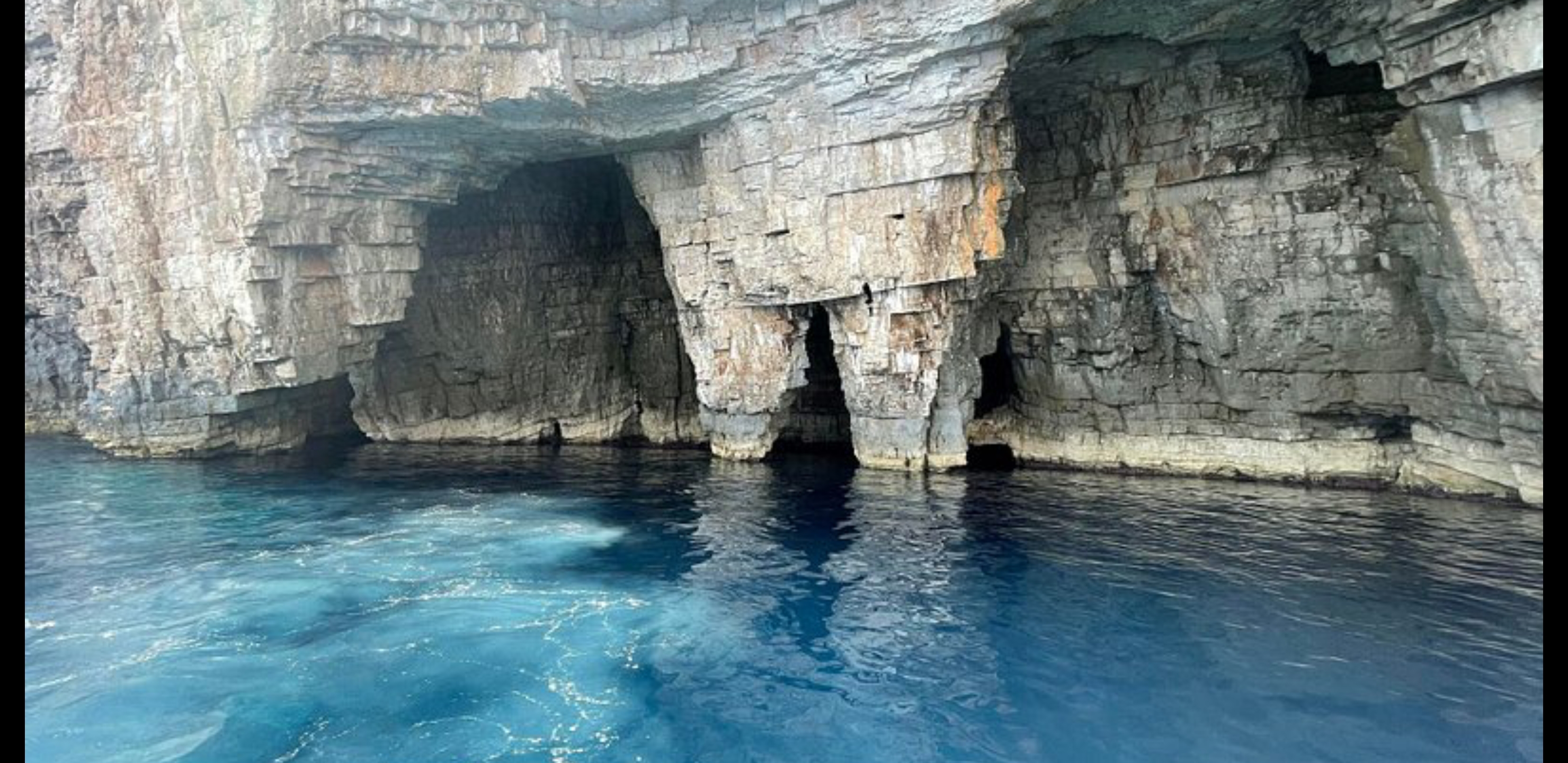
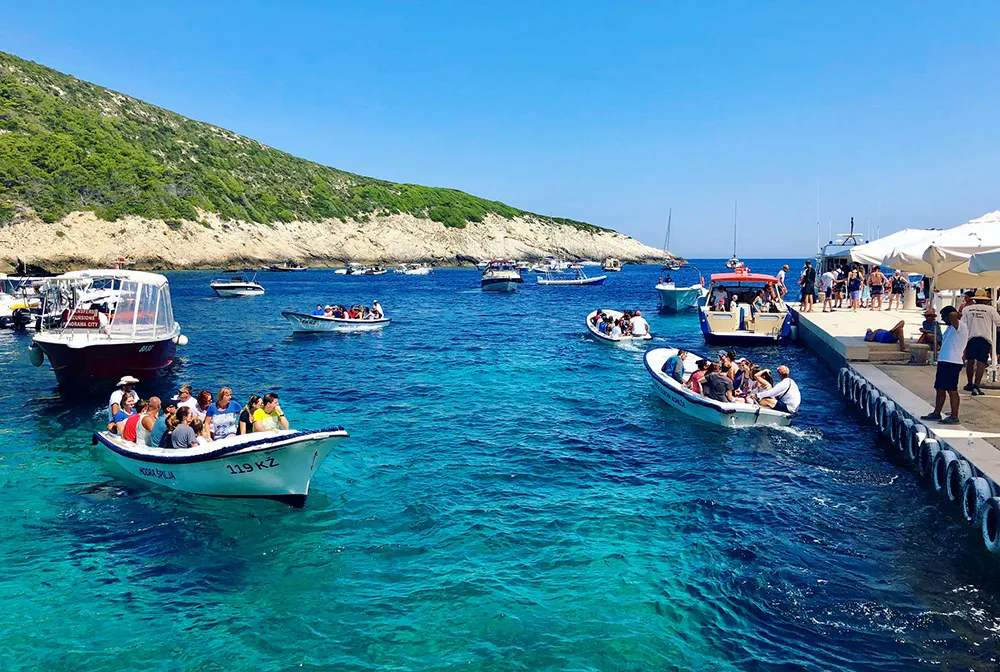
Stand at the end of the stone pier where the local shuttle boats dock to capture the approach of the vessels. This vantage point provides a clear view of the limestone cliffs and the turquoise Adriatic Sea, making it a popular choice for an hvar boat tour to blue cave.
Position your camera low near the water line while seated in the small boat to photograph the narrow natural limestone aperture. This perspective highlights the scale of the karst cavern and is a key capture for those who have secured their hvar boat tour to blue cave tickets.
Use a long exposure or high ISO setting to document the electric blue light reflected off the sandy bottom of the submarine grotto. Photographers must remain seated in their craft during this brief window, which is the highlight of any hvar boat tour to blue cave tour.
Walk to the elevated path overlooking the small pebble beach of Porat to frame the Mediterranean vegetation against the deep water. This location offers a wider landscape composition for guests waiting for their hvar boat tour to blue cave tours to depart.
Planning a hvar boat tour to blue cave requires preparation, as the experience involves long speedboat rides and transfers into confined coastal grottoes. Balancing excitement with practical comfort ensures a manageable day for young explorers.
Because the journey involves open-sea transit, consult a pharmacist regarding motion sickness preventatives for children before booking your hvar boat tour to blue cave tickets.;Small-boat transfers
Dining options are limited directly at Mežuporat, Biševo Island, so those taking a hvar boat tour to blue cave should plan to eat on the neighboring island of Vis or in Komiža. Most travelers participating in a Vis archipelago excursion stop for a meal after completing their subterranean sightseeing.
Located in nearby Komiža, this spot specializes in fresh Adriatic catch and local pasta dishes. It is a reliable choice for lunch after your hvar boat tour to blue cave tours concludes.
A popular waterfront establishment serving traditional Dalmatian cuisine with views of the harbor. This venue is ideal for those who have secured their hvar boat tour to blue cave tickets and want a relaxed post-trip meal.
This straightforward eatery provides wood-fired pizzas and quick bites suitable for families. It offers a convenient stop before heading back to your departure point on a hvar boat tour to blue cave tour.
Everything you need to know for your journey
Yes, you can take photos, but avoid using flash as it interferes with the cave atmosphere.
Trips may be cancelled or rescheduled if sea conditions are unsafe for small boat transfers.
Travel times vary by operator, usually spanning a full day including the boat transit to Biševo.
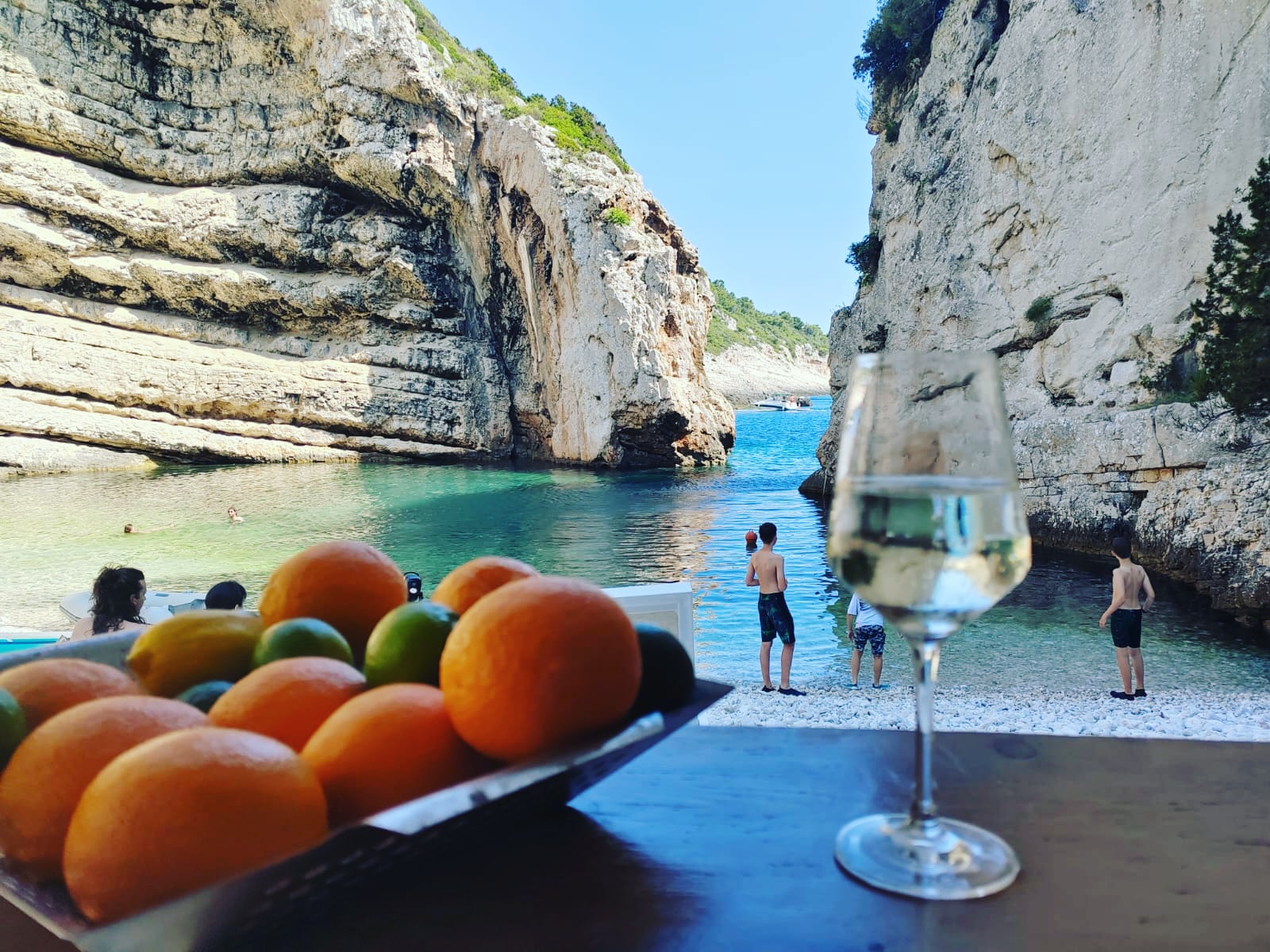
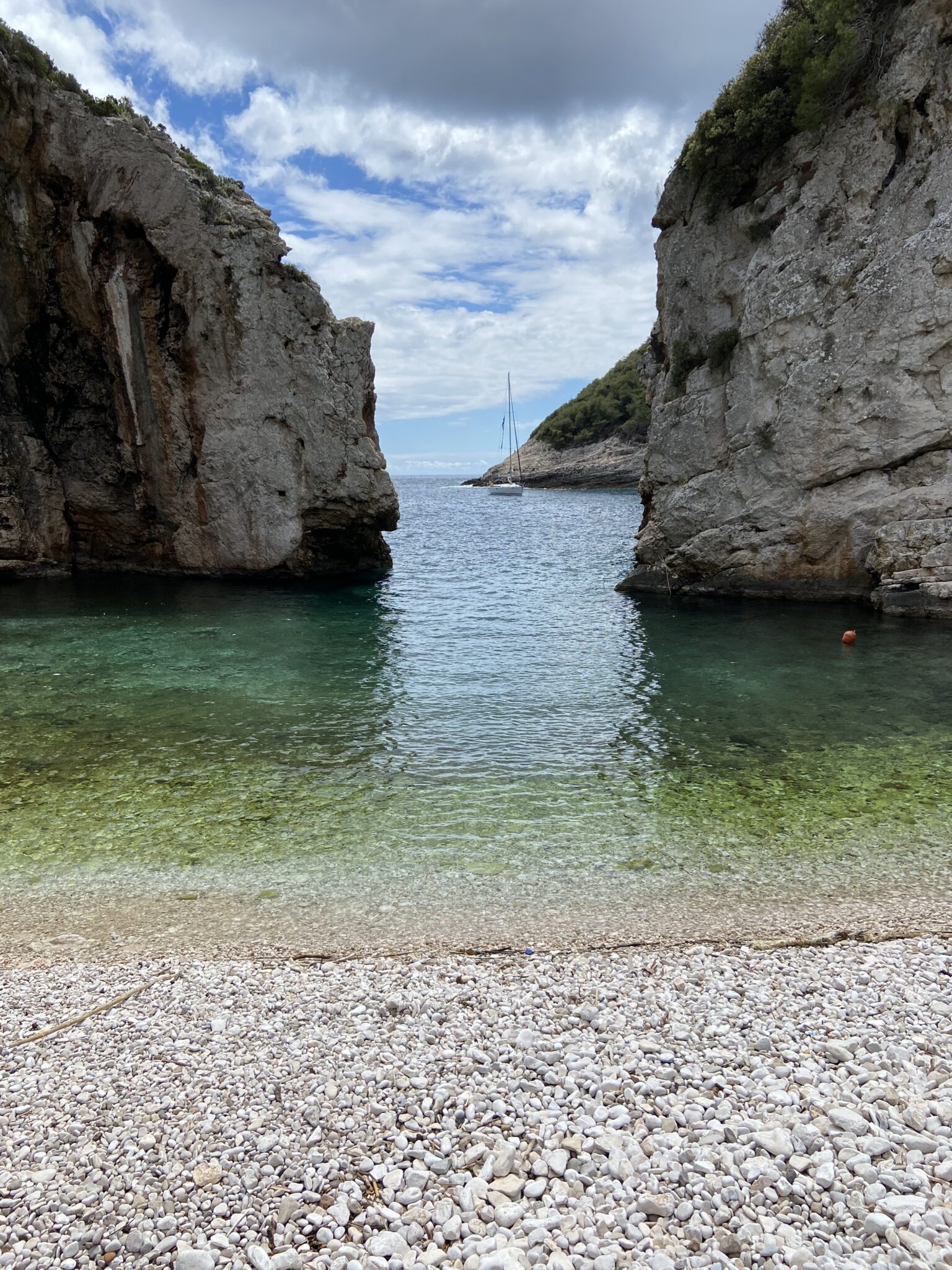
Secluded beach framed by high limestone cliffs.
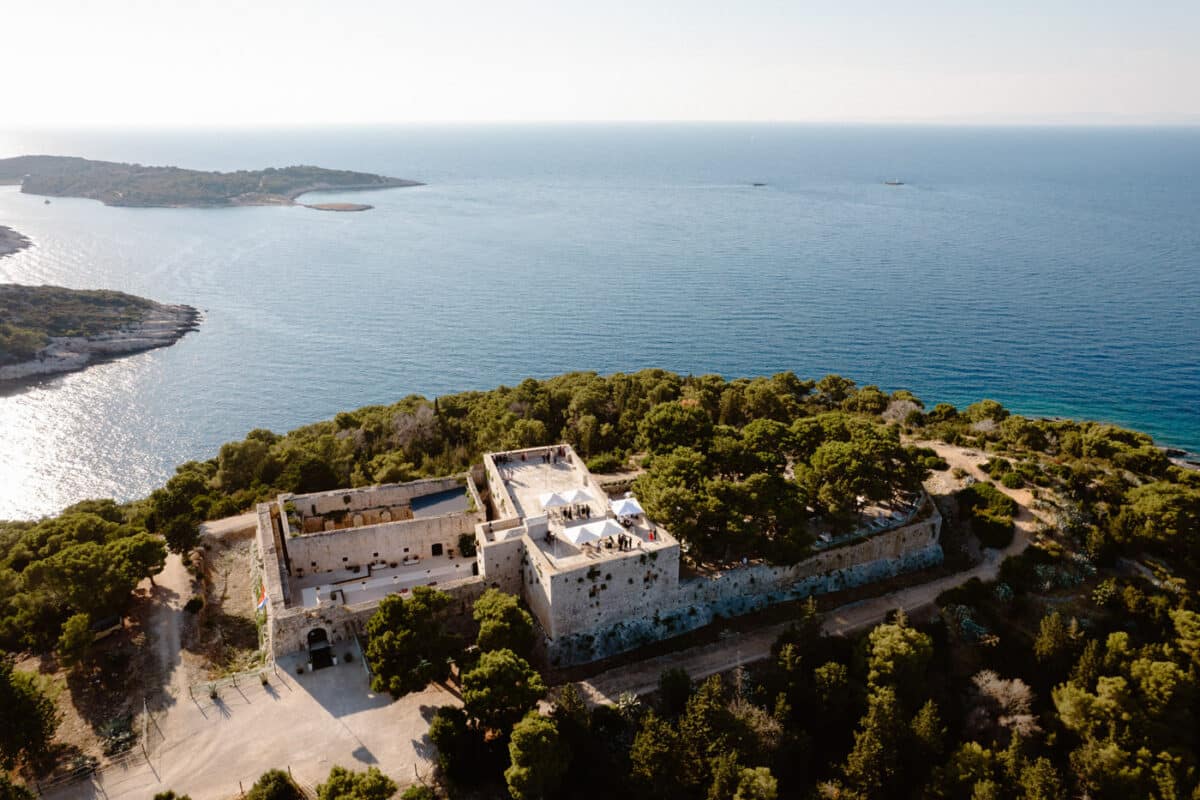
Historical structure reflecting military island history.
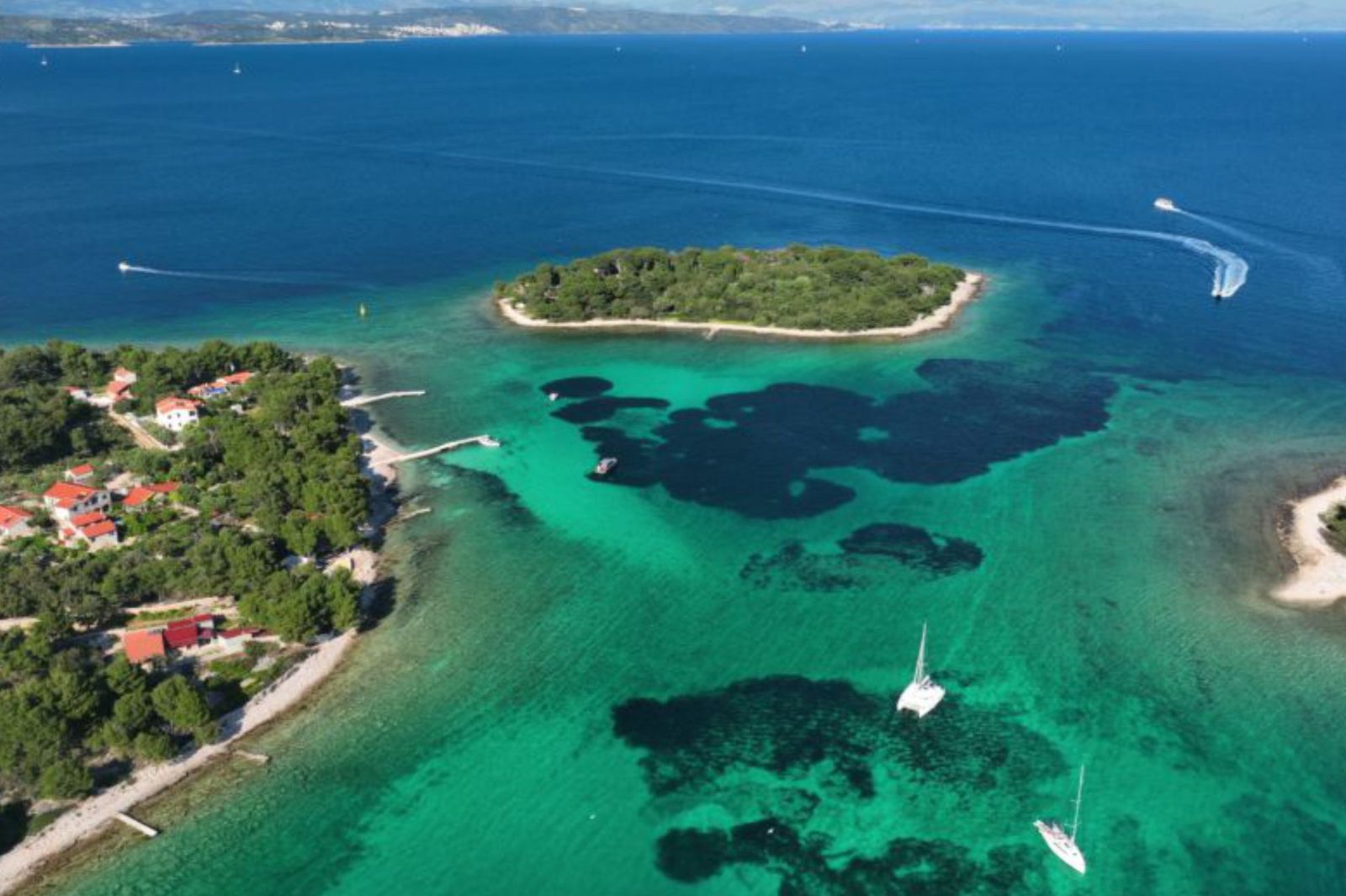
Small island known for its clear turquoise lagoon.
Charming coastal village with traditional stone architecture.
Central hub near all boat departures.
Quiet area within walking distance of the port.
Secluded island stay for longer excursions.
Join thousands of happy travelers who have discovered this incredible experience
Book Your Experience Now