

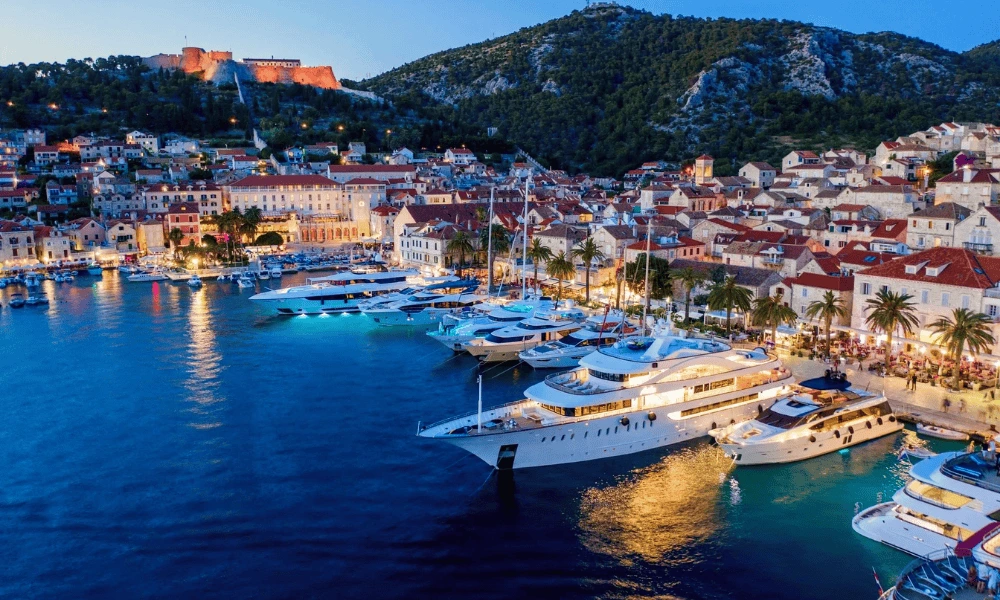
Quick answer
Most visitors find 3-4 days sufficient for Hvar, allowing two days in Hvar Town to cover the fortress, cathedral, and town beaches, plus one or two days for boat trips to Pakleni Islands or the Blue Cave. Weekend travelers often condense the essentials into 2 days, while those seeking deeper exploration of southern beaches or eastern villages allocate 5-6 days.
Hvar Town itself occupies less than one square kilometer of waterfront, with most historic landmarks within a ten-minute walk of the harbor. The fortress climb takes 20 minutes, the cathedral visit 30, and a circuit of the Renaissance-era arsenal and loggia perhaps an hour. By midday on your first full day, you will have covered the town's core sights. The calculation shifts when you factor in the island's geography. Hvar stretches 68 kilometers east to west, with the lavender fields of the Velo Grablje plateau, the pebble bays of the southern coast near Zavala, and the village of Vrboska each requiring separate half-day or full-day trips. Pakleni Islands—a 10-minute boat ride from Hvar Town—add another dimension: Palmižana's beach clubs and Sveti Klement's quieter coves warrant at least one dedicated day. Blue Cave excursions, departing at 09:00 and returning by early afternoon, consume another. How many days do you need in Hvar depends on your island versus town ratio. A town-focused visit fits comfortably into 2-3 days: one day for the fortress, cathedral, and central beaches, a second for a Pakleni boat trip, and an optional third for a southern-coast drive or wine tour in the interior. Extending to 4-5 days allows you to layer in a Blue Cave day trip, explore Stari Grad's UNESCO-protected agricultural plain, or hike the ridge trail to Milna. Six days accommodates the full island circuit without rushing. Seasonal factors compress or expand the schedule. July and August bring midday heat that limits comfortable walking to morning and evening hours, effectively stretching a two-day itinerary into three. September and June permit all-day exploration. Ferry schedules also constrain your options: most inter-island boat tours operate daily only from May through September, and winter service to Pakleni Islands runs on reduced frequency. Arrival and departure days matter—if you dock in Hvar at 18:00, that evening contributes little to your practical time. The Hvar duration question is less about ticking off a checklist and more about choosing between depth in town or breadth across the island. Both approaches work; the mistake is splitting the difference and feeling rushed.
“Hvar Town itself occupies less than one square kilometer of waterfront, with most historic landmarks within a ten-minute walk of the harbor.”
Planning Your Stay: How Many Days Do You Need In Hvar?
Hvar rewards both quick visits and extended stays, depending on whether you focus on Hvar Town or explore the wider island. Here's how to allocate your time based on your interests.
Hvar Town Essentials
Walk the marble streets of Hvar Town, visit the Renaissance cathedral and Fortica fortress for harbor views, then enjoy a waterfront meal. This gives you the town's core sights but leaves little time for beaches or neighboring villages.
Town Plus Beaches
Add a day for Dubovica or Milna beaches, accessible by scooter or water taxi, and explore the Pakleni Islands offshore. You'll have time to settle into the island's rhythm without rushing between locations.
Island-Wide Exploration
Include inland villages like Stari Grad (UNESCO-protected plain) and Vrboska's harbor, plus a full-day boat tour to hidden coves. This schedule suits travelers who want to experience rural Hvar alongside the coastal highlights.
Deep Immersion
Combine multiple boat excursions, hiking trails through lavender fields, wine tasting in Jelsa, and full beach days without a packed agenda. Ideal if you prefer a slower pace or are using Hvar as a base for regional island-hopping.
Seasonal Timing And How Many Days Do You Need In Hvar
The most effective time to experience Hvar is during the shoulder months of May, June, September, and October, which offer a balance of manageable crowds and temperate climate. Arriving during the best arrival window of 09:00–10:30 allows visitors to navigate the town before the peak heat and ferry congestion occur.
May and June
Moderate; manageable for walking toursPleasant, 20°C to 25°C. Warm enough for swimming with fewer people.
July and August
High; significant ferry trafficHot, 30°C plus. Requires more days to buffer against slow movement.
September and October
Lower; calmer atmosphereMild, 18°C to 24°C. Ideal for exploration without the extreme heat.
Weekday mornings
Low; local pace prevails—; Arrival before 10:30 reduces time lost to crowds.
Verdict: The best time to visit is during the shoulder months of May or September, specifically arriving between 09:00–10:30 to maximize the utility of your days.
Extending Your Trip: Near-Island Sights And How Many Days Do You Need In Hvar
Extending your visit beyond the central town allows you to explore the diverse landscapes and historical sites of the surrounding archipelago. Adding extra days enables visits to neighboring areas that are best accessed by short boat excursions or local transit.
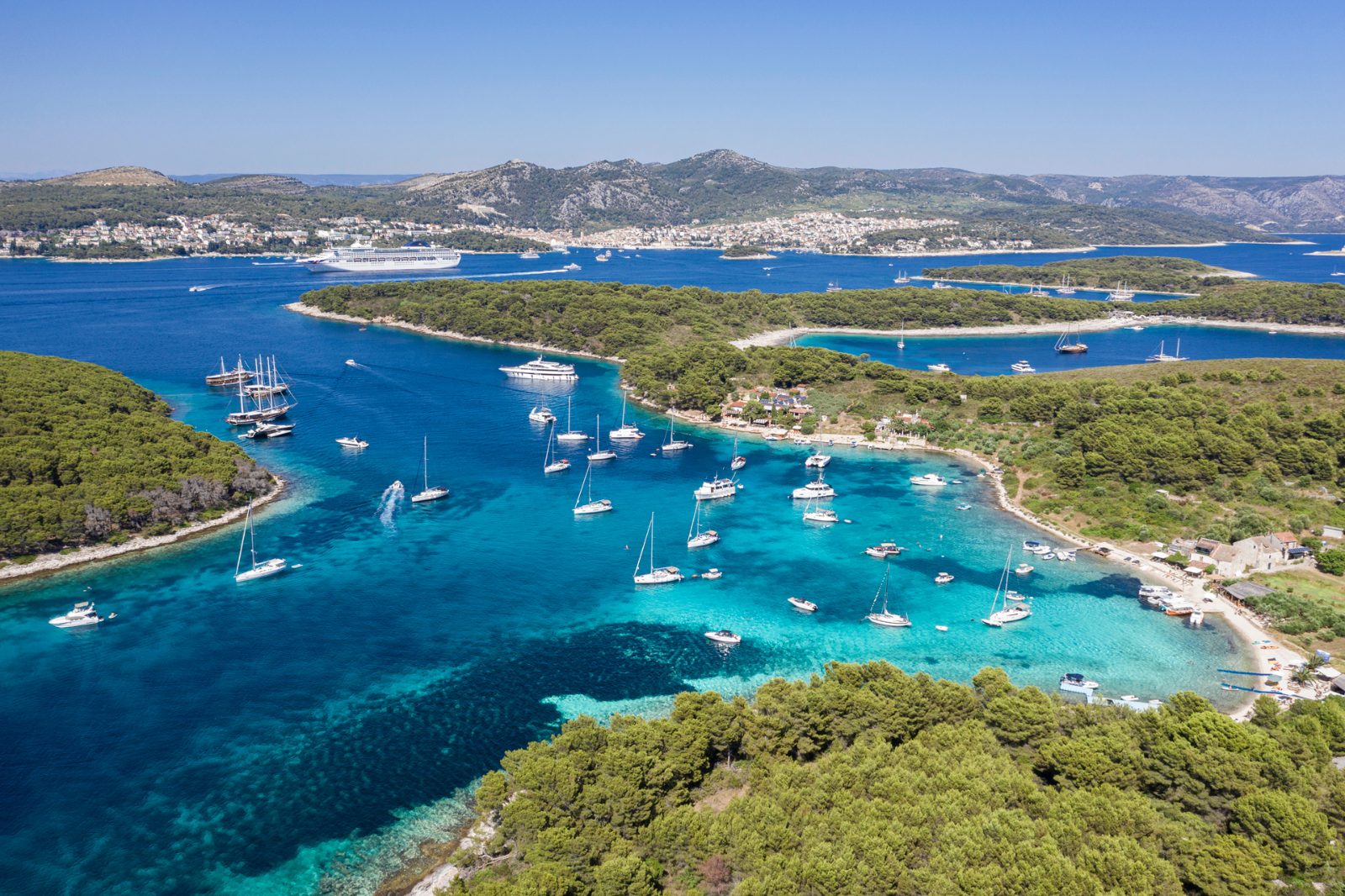
Pakleni Islands
These islands offer secluded coves and clear waters, providing a natural contrast to the historic town center. They are easily reached via boat tours, making them a practical addition to a multi-day itinerary.
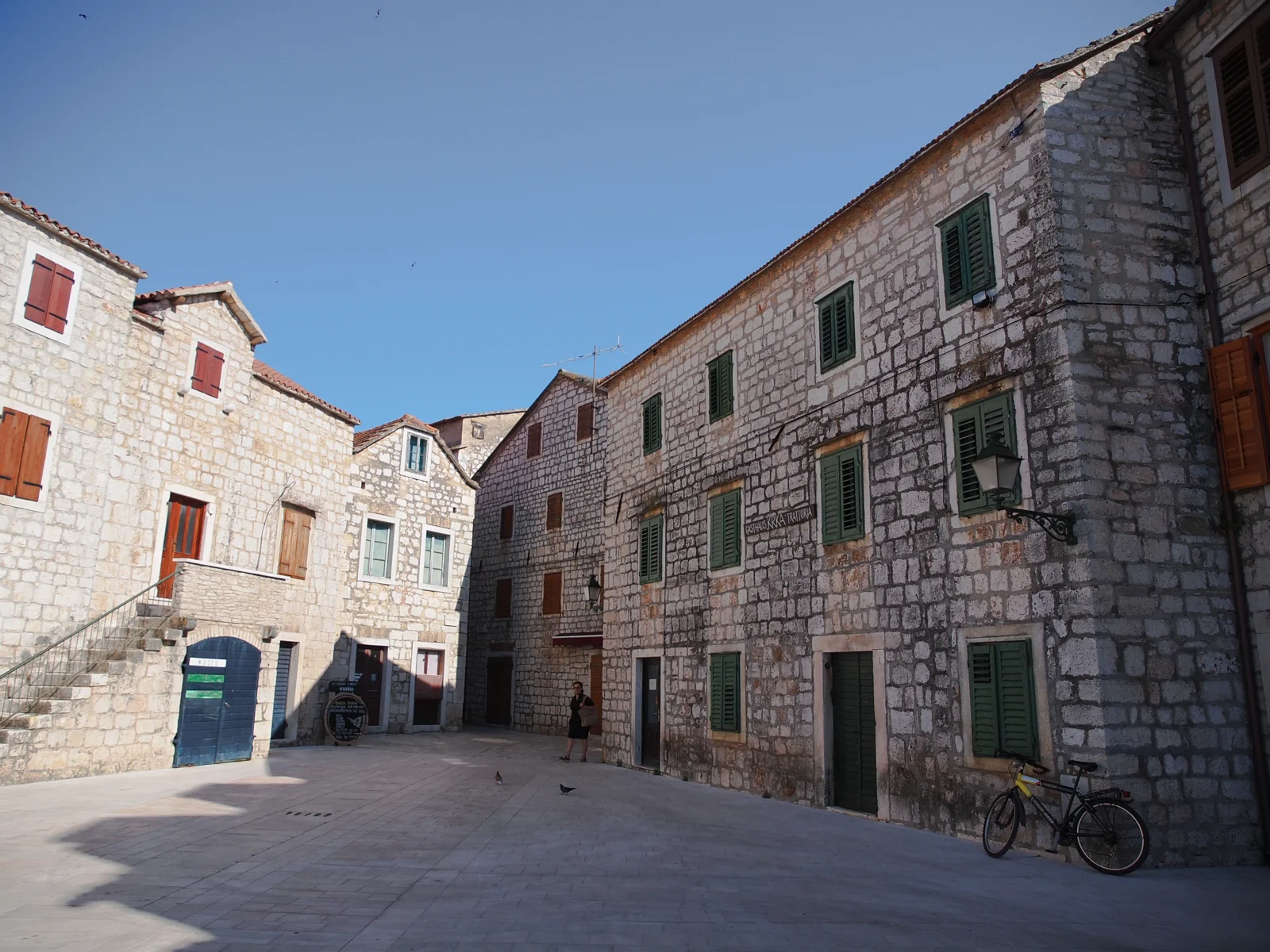
Stari Grad
As the oldest town in Croatia, it provides significant historical context to the island, complementing a stay in Hvar Town. It is well-suited for travelers interested in exploring UNESCO-protected plains and ancient architecture.
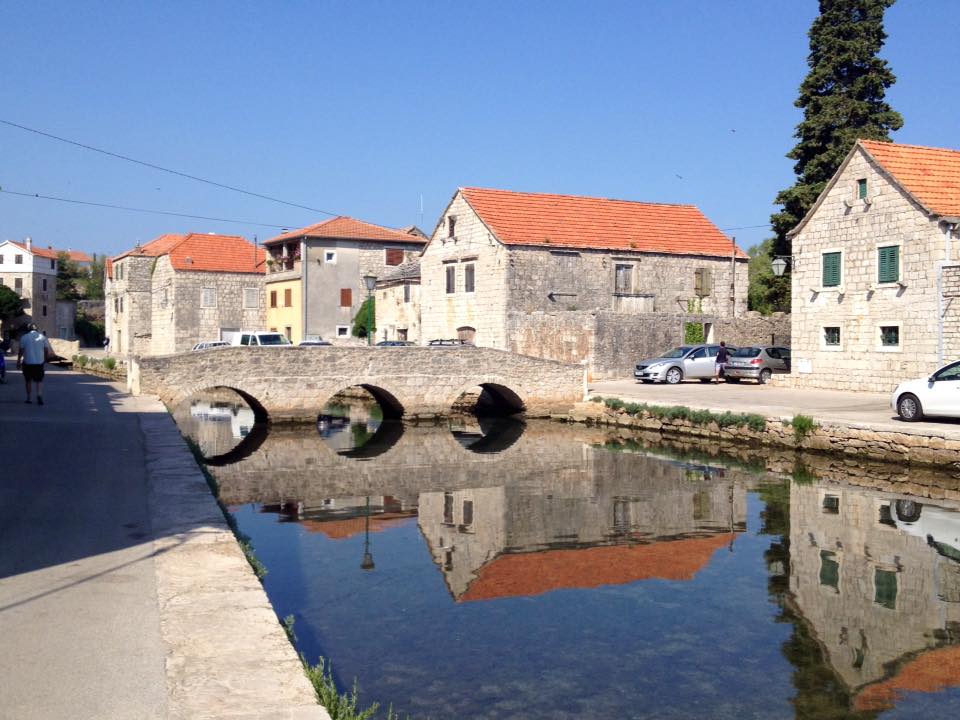
Vrboska
Known as Little Venice due to its canal and stone bridges, this village offers a quieter pace compared to the main port. It serves as a scenic destination for those looking to see more of the island's interior coast.
Check availability
Planning your trip: how many days do you need in hvar
Everything you need to know about how many days do you need in hvar